Why Madrid?
Madrid is the Spanish capital many people skip because Barcelona is by the sea. A mistake: Madrid has the bigger museums (Prado, Reina Sofía, Thyssen), the finer boulevard (Gran Vía) and a nightlife that only gets going at ten, with dinner. And the Madrileños are direct, warm-hearted and always have time for a chat at the bar.
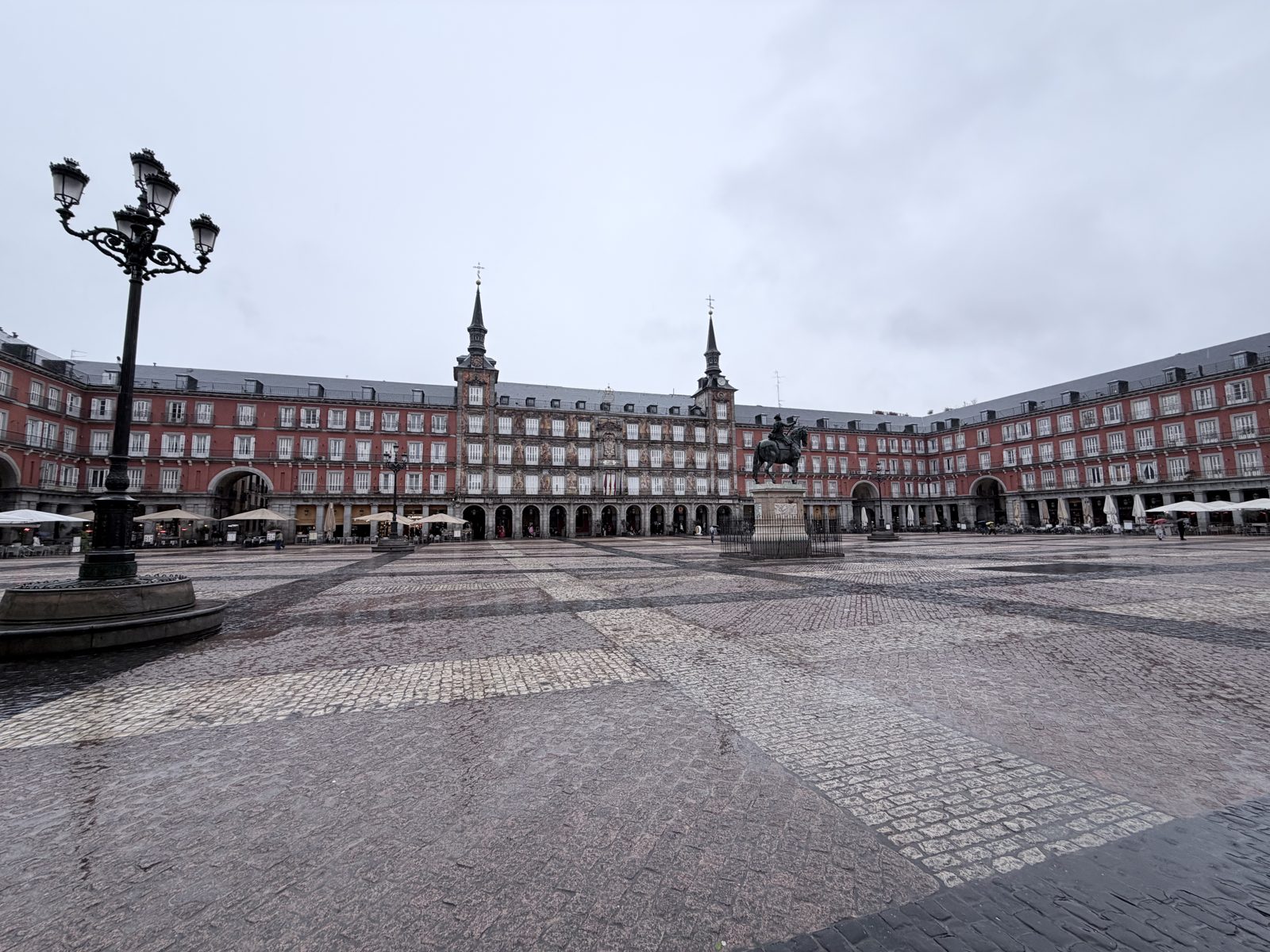
The city is compact: from the Royal Palace via the Plaza Mayor, Puerta del Sol and Gran Vía to the Plaza de Cibeles is a good hour’s walk – with a stop at one of the old tabernas. Retiro Park is the city’s green living room, shared with half of Madrid on a Sunday.
I was there in winter – cold, some rain, but then the city belongs to the locals, hotels cost half as much, and in the Prado you stand alone in front of Velázquez.
How I book Madrid
I book hotels through Booking.com – my tip is the Vincci Centrum, 300 metres from the Gran Vía. You don’t need a car for the trips to Segovia and Ávila: the high-speed train gets you to Segovia in 30 minutes and to Ávila in 90. If you want to see both cities in one day, or prefer to go with a guide, take a guided day tour from Madrid – it is often more convenient than combining train, bus and tickets yourself.
If you organise everything yourself: train tickets on renfe.com (Avant trains, book early), Prado tickets directly from the museum, free in the evening from 6 pm.
My tips for Madrid
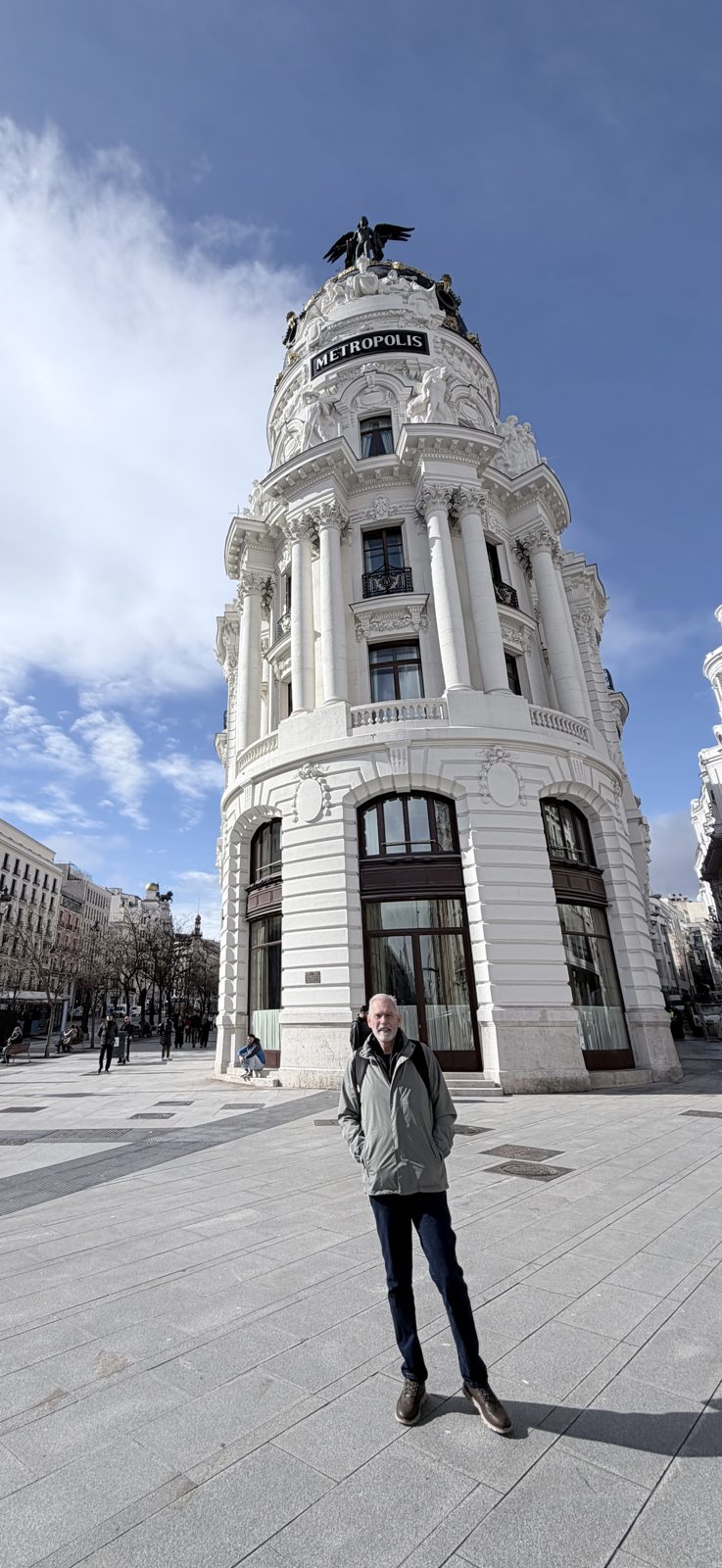
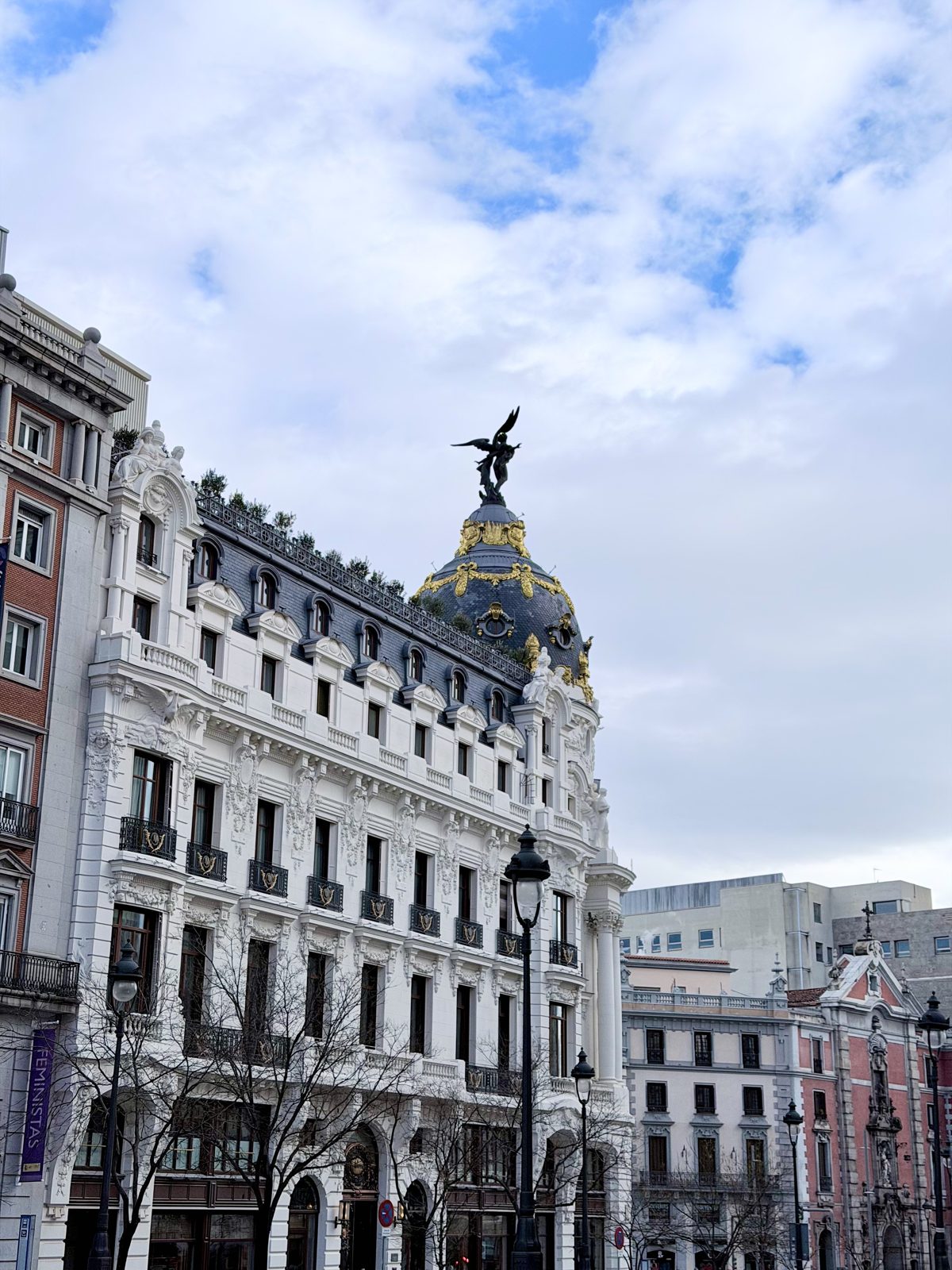
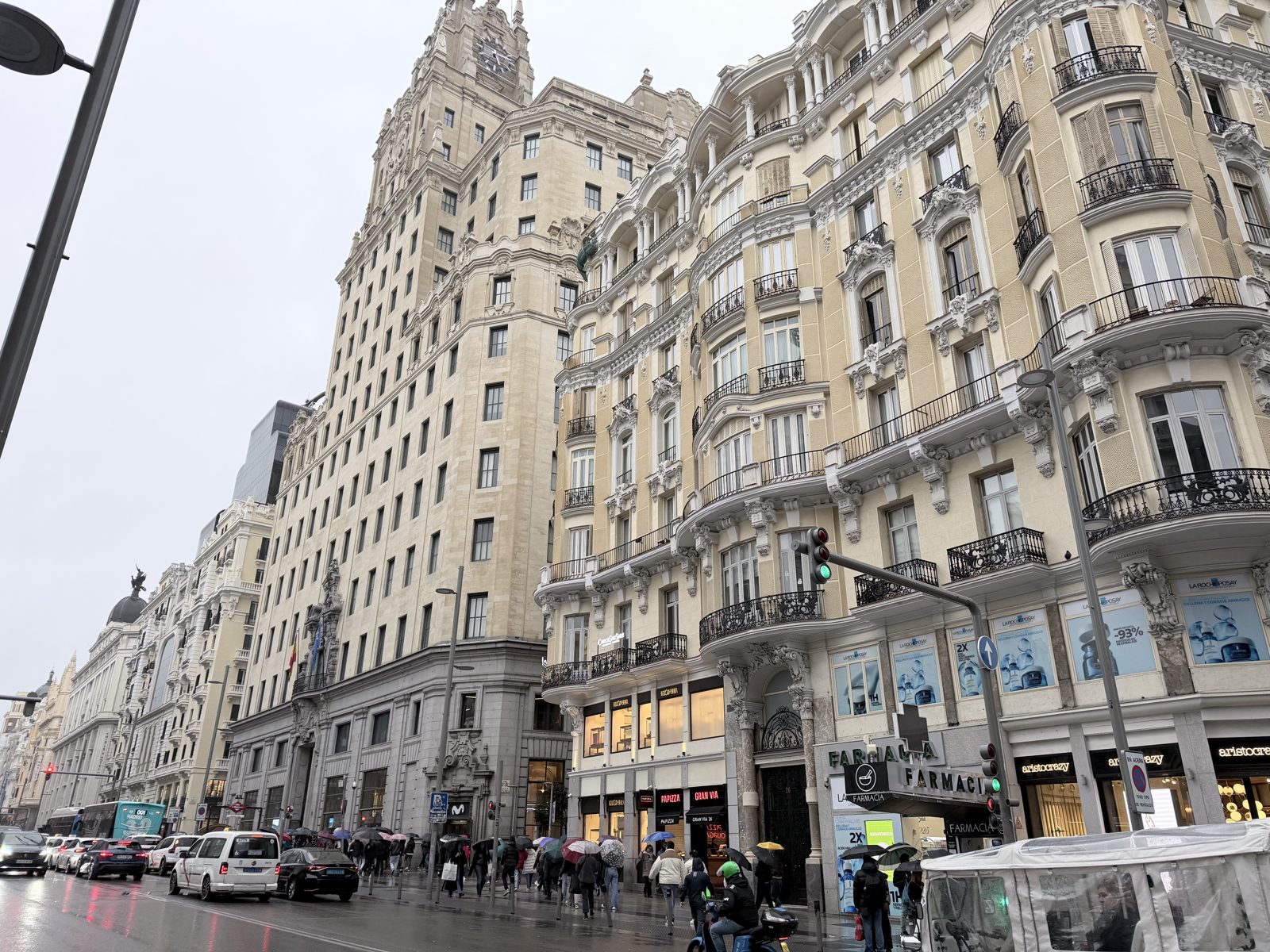
- Walk the Gran Vía early in the morning while the street is still empty – the Metropolis building and the Telefónica look best in the first light.
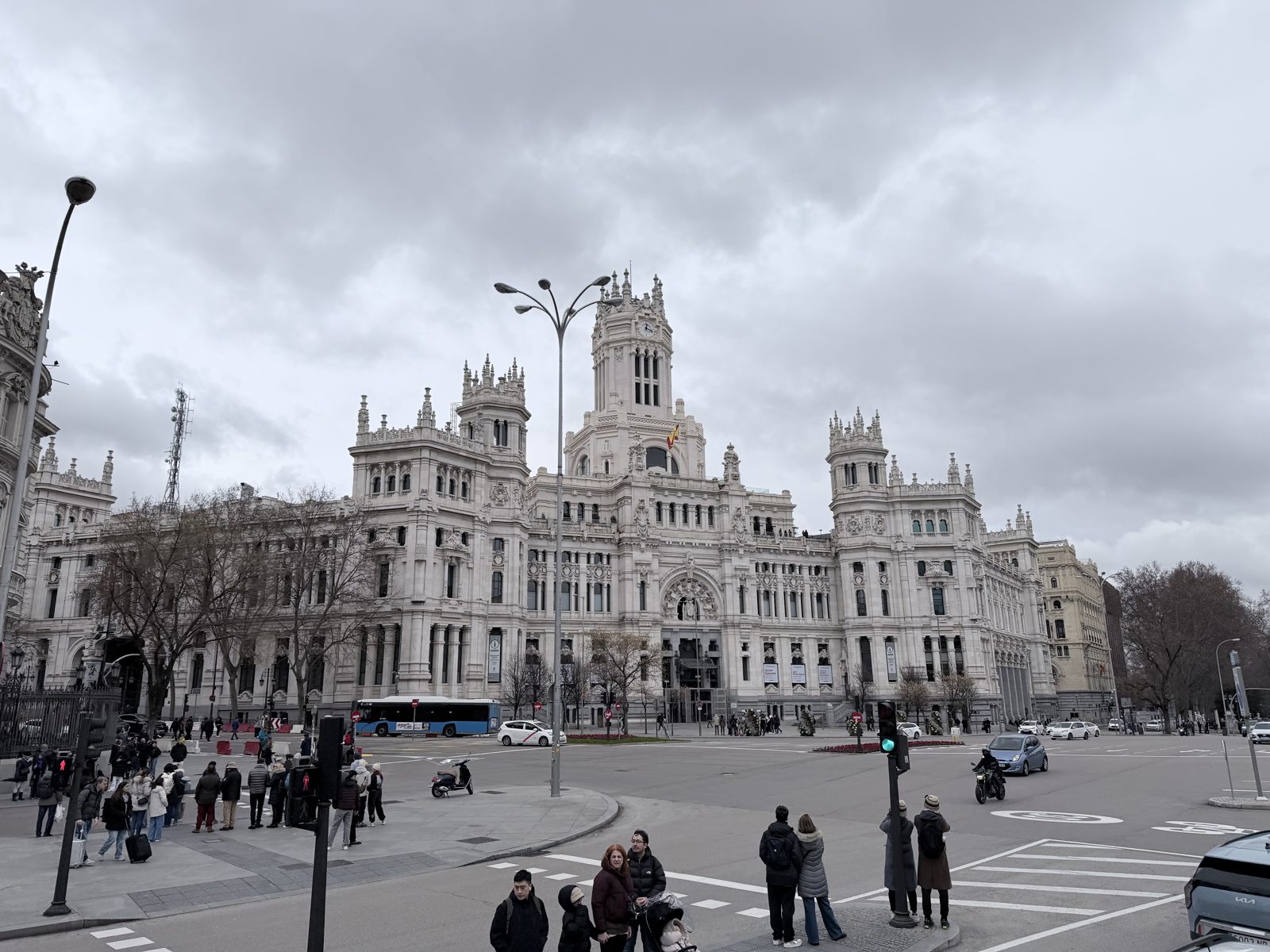
- Go up to the roof of the Palacio de Cibeles (city hall) – the mirador costs little and shows you the whole city.
- Adjust your mealtimes: lunch at 2 pm, dinner not before 9 pm. In between, tapas standing at the bar.
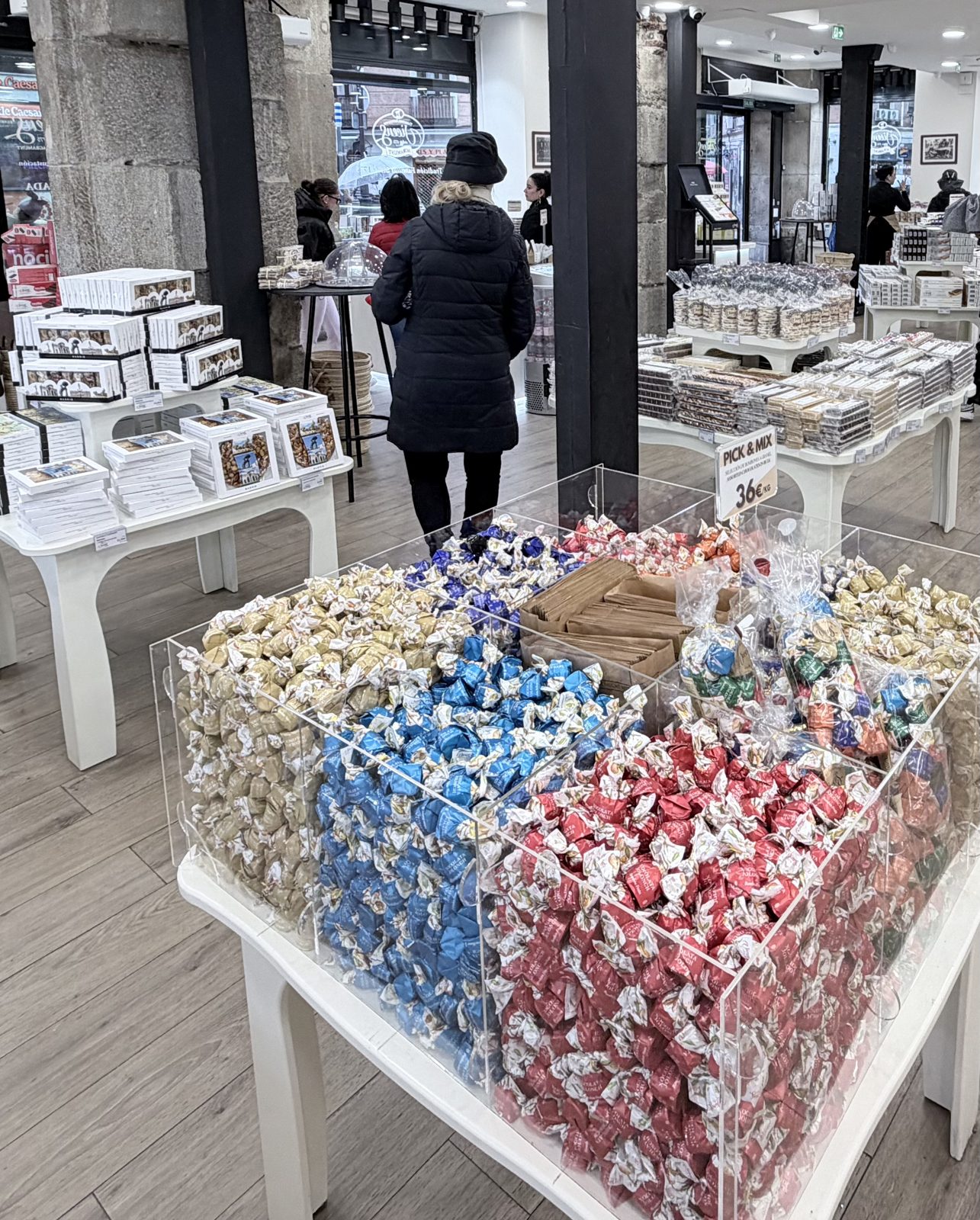
- Try the turrón at Vicens on Calle Mayor – they have dozens of varieties, all year round.
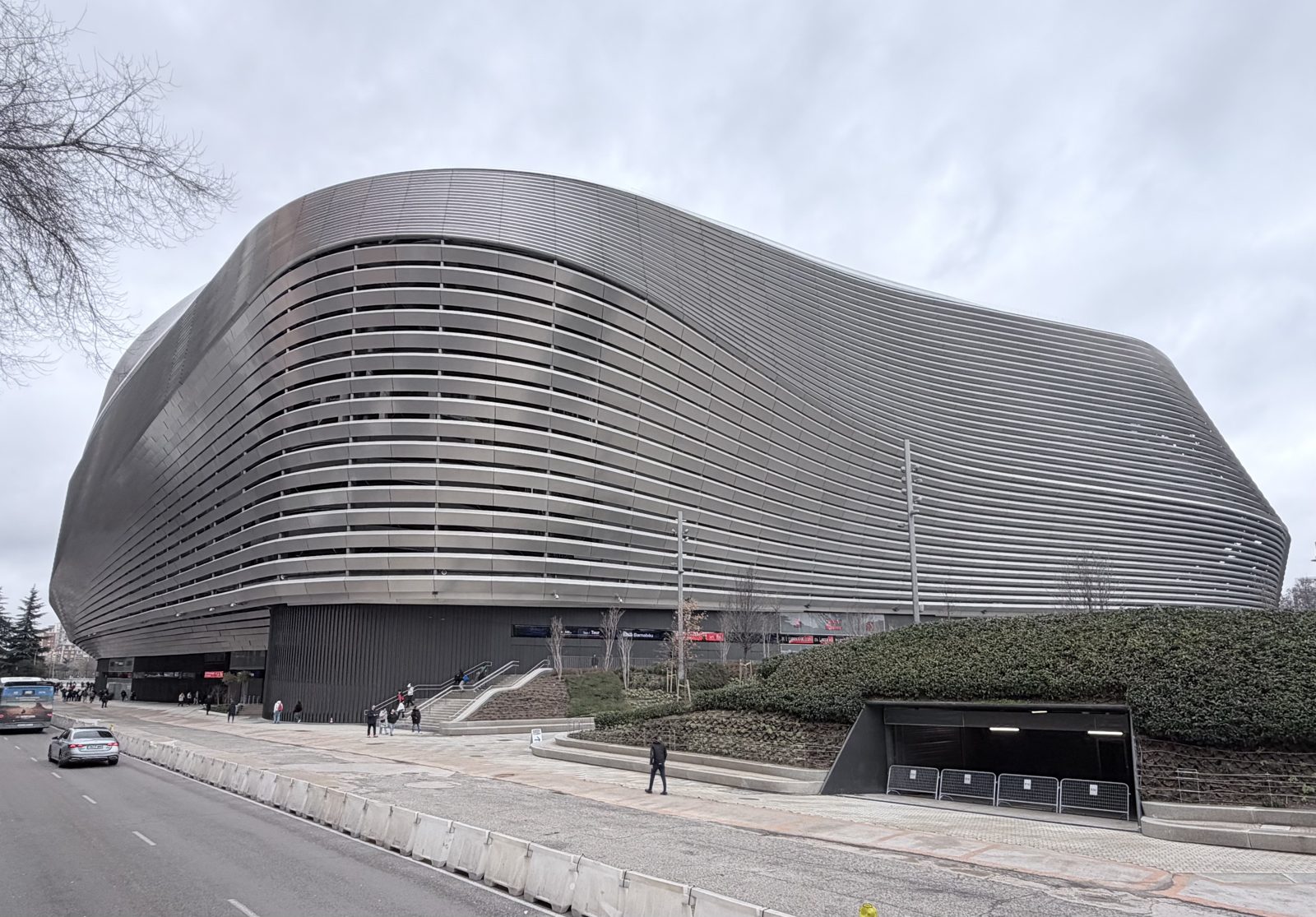
- The new Bernabéu stadium is worth it even if you’re not a football fan: stadium tour with museum, metro station right outside.
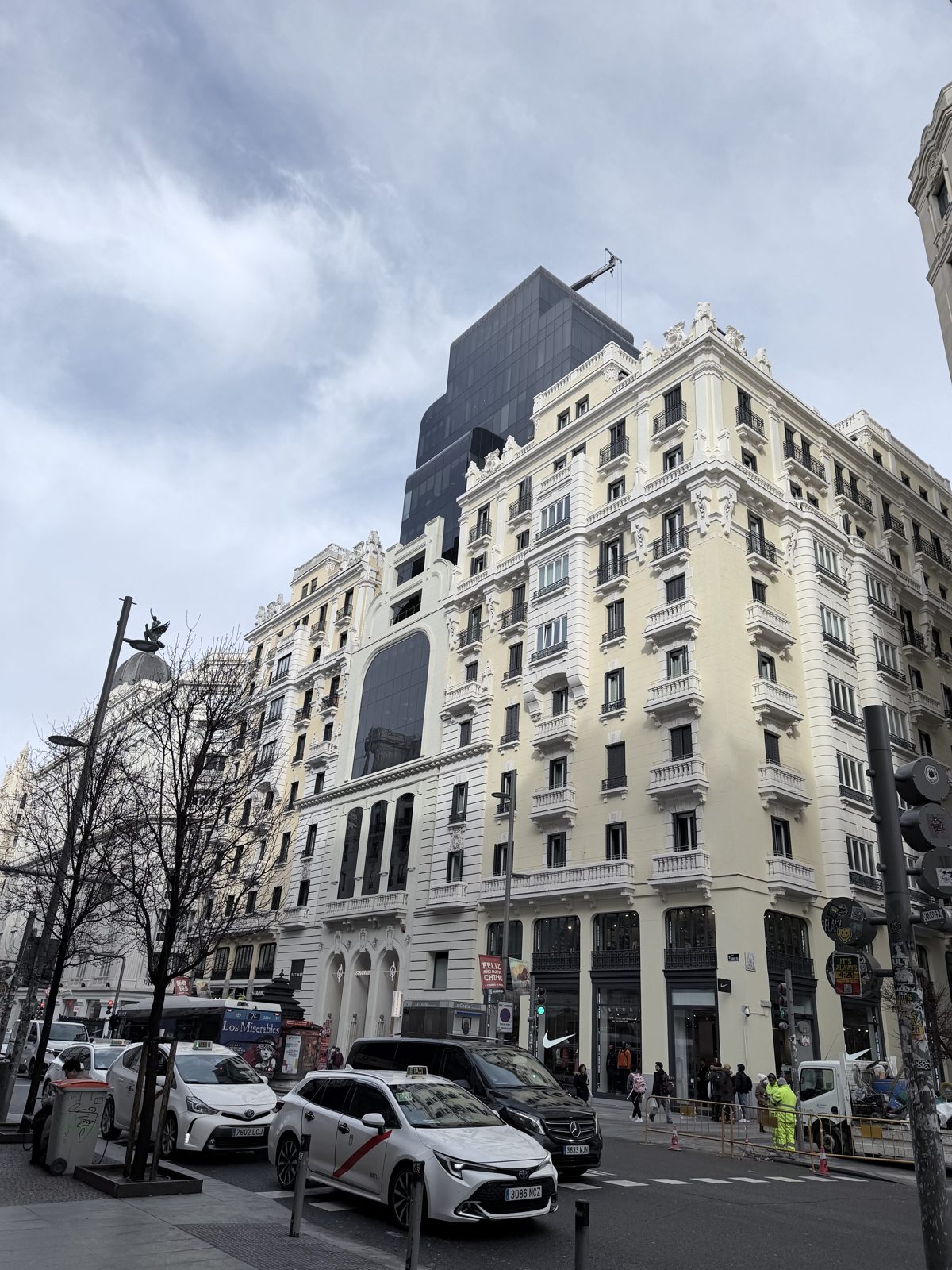
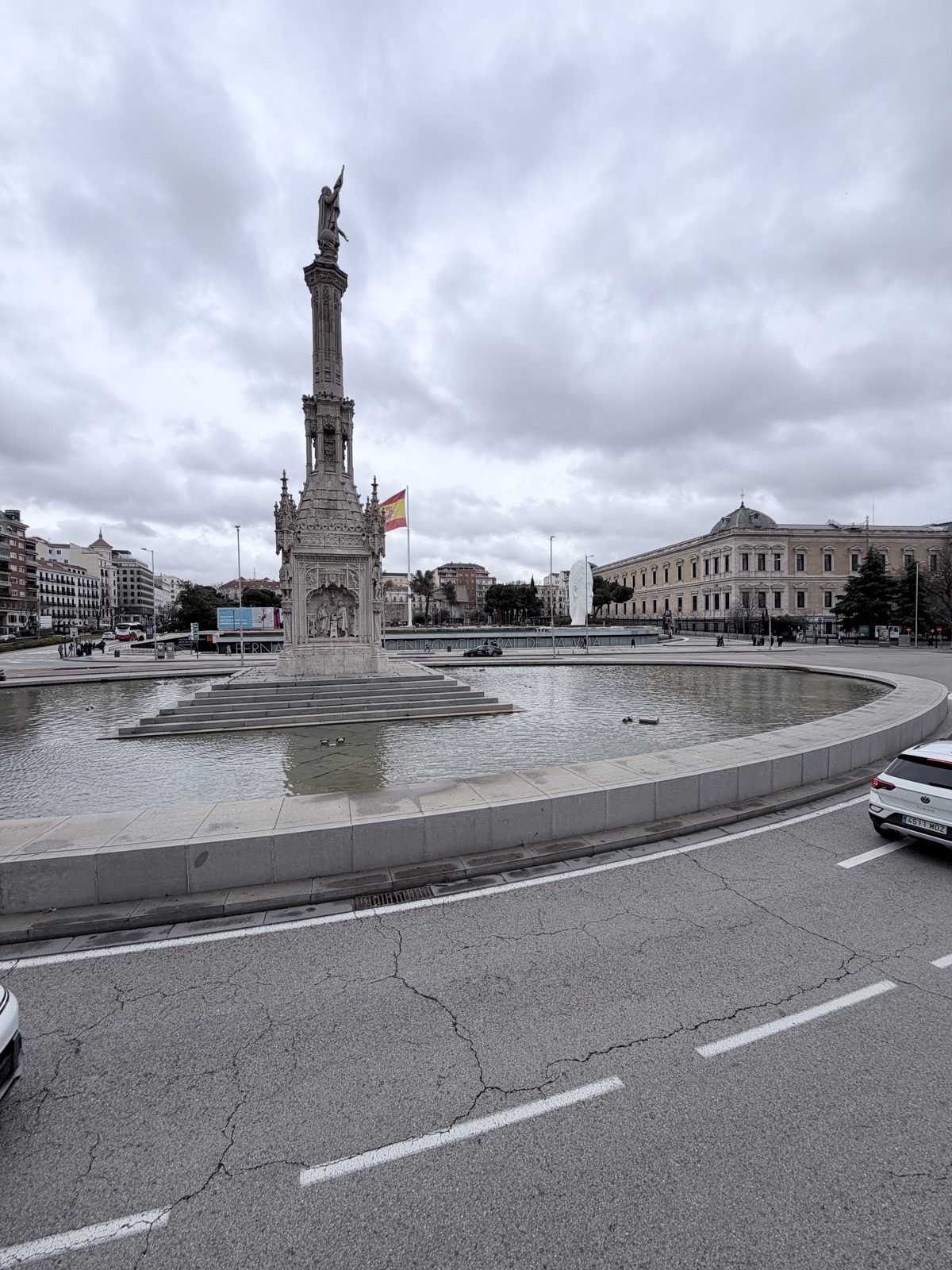
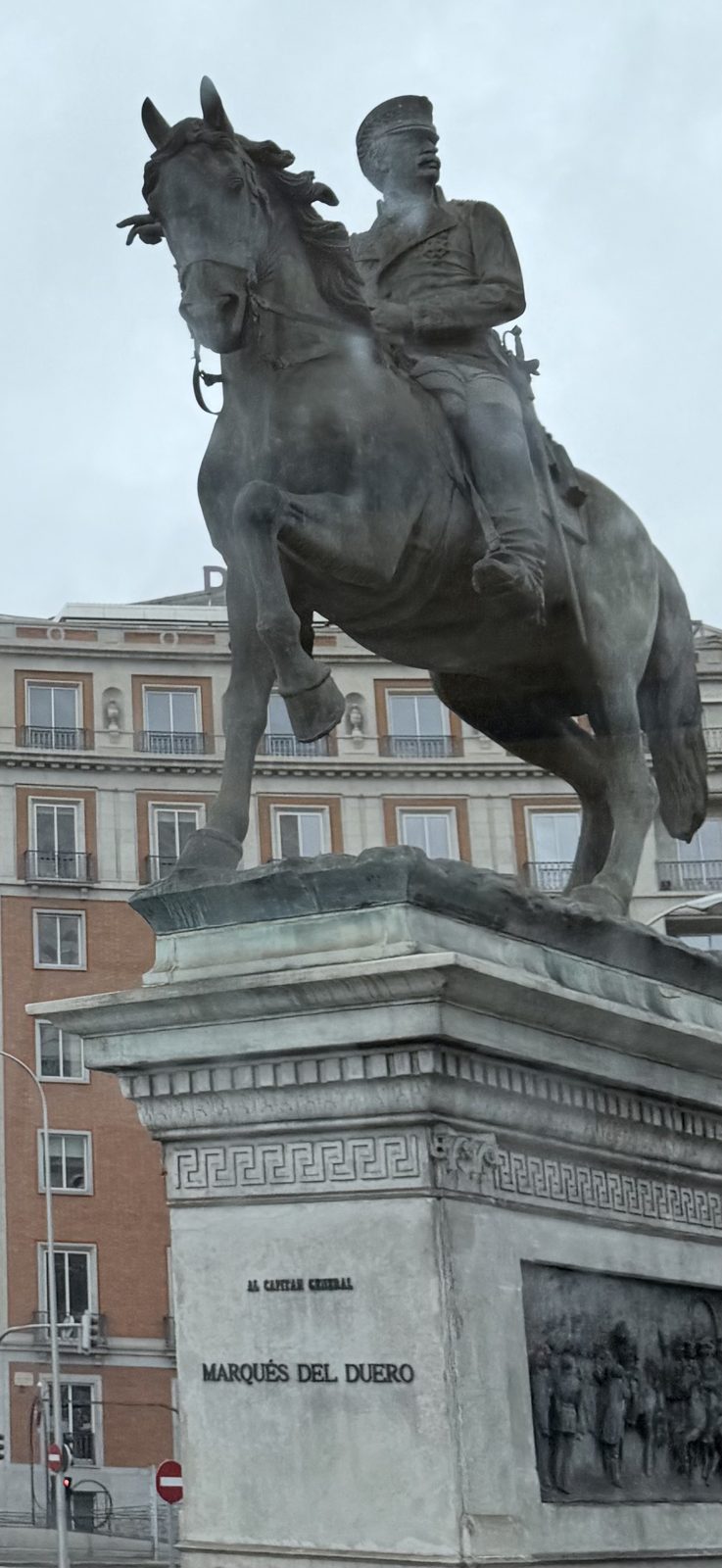
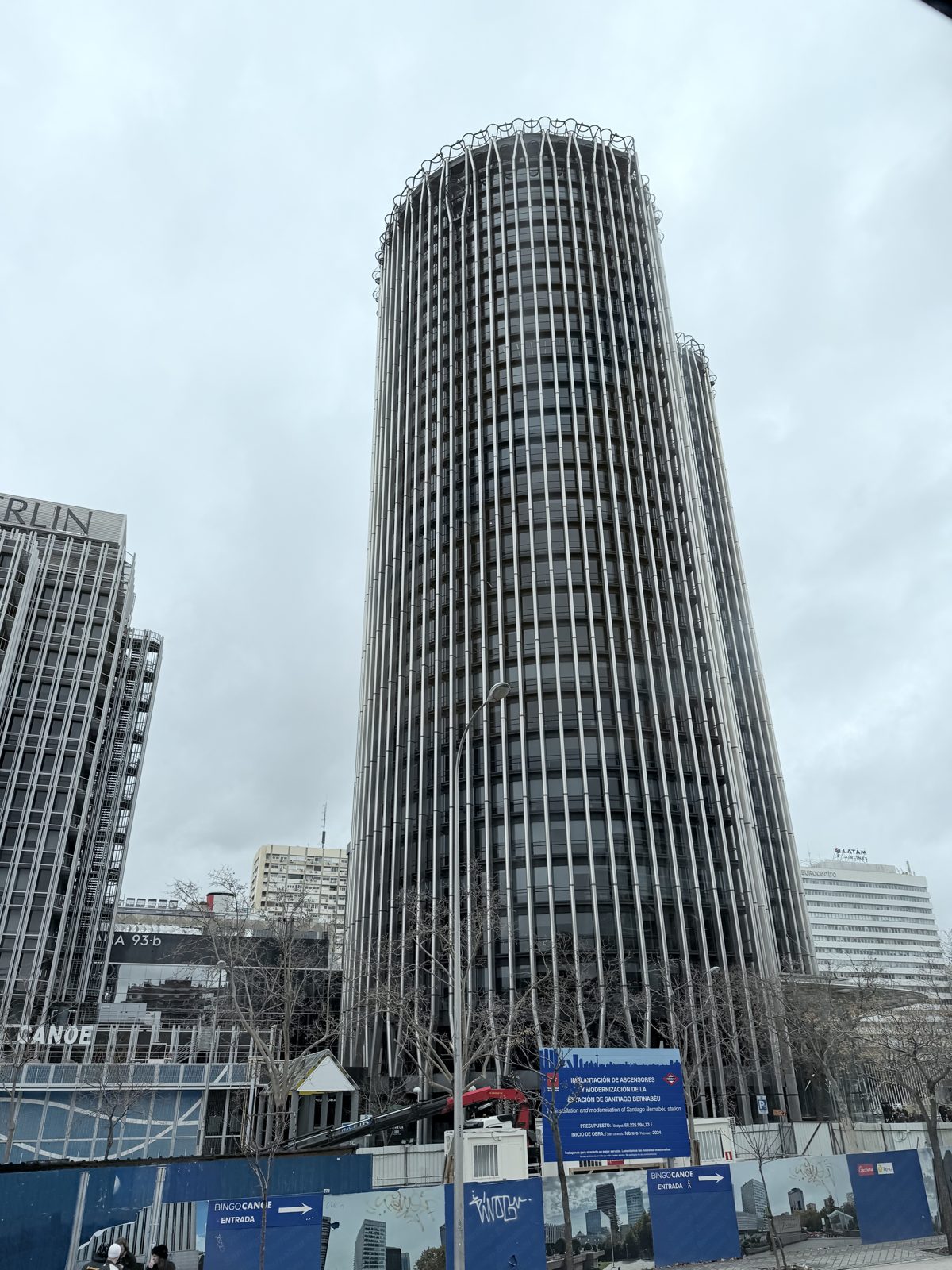
My photos from Madrid
Day trip to Segovia
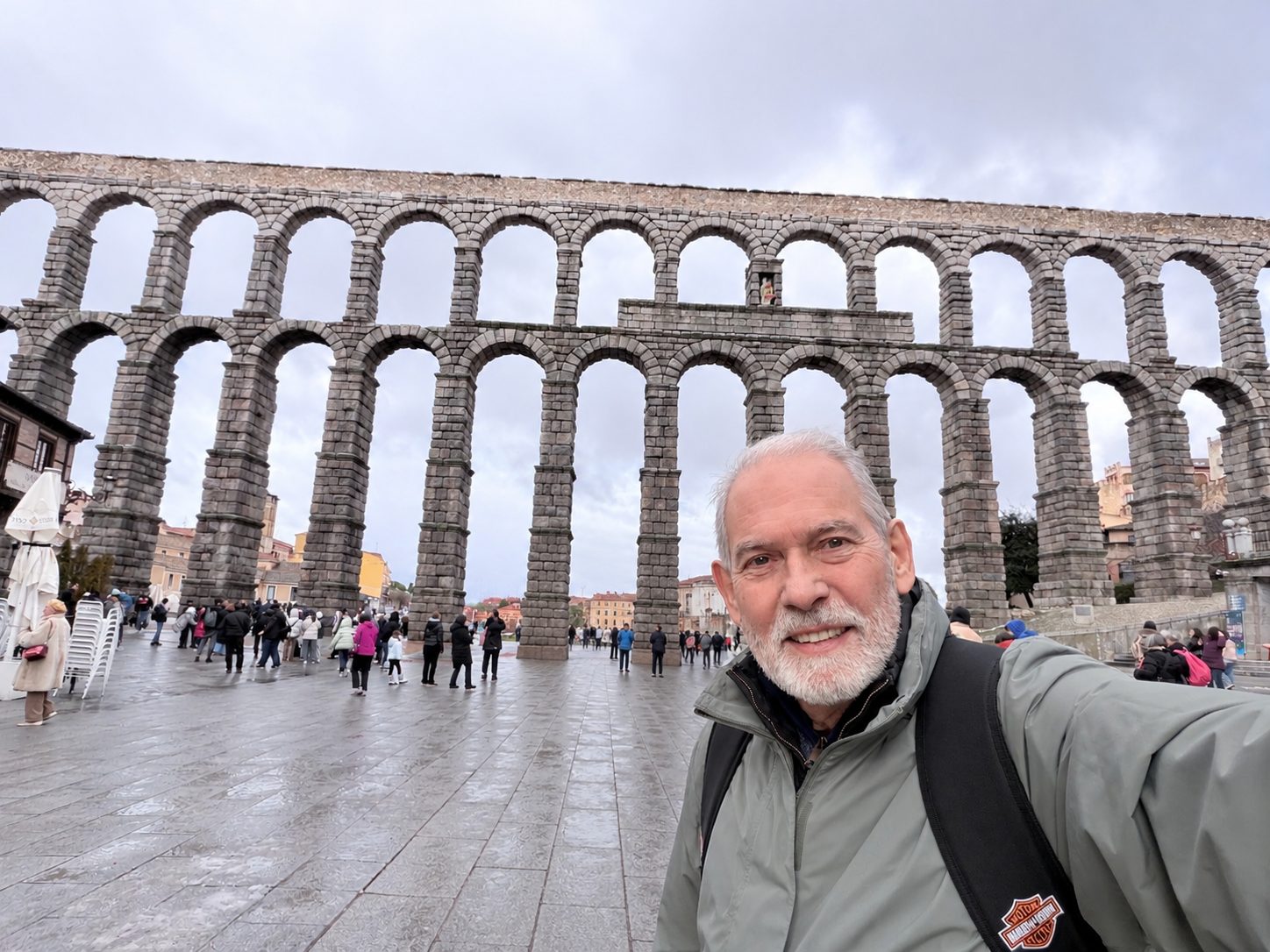
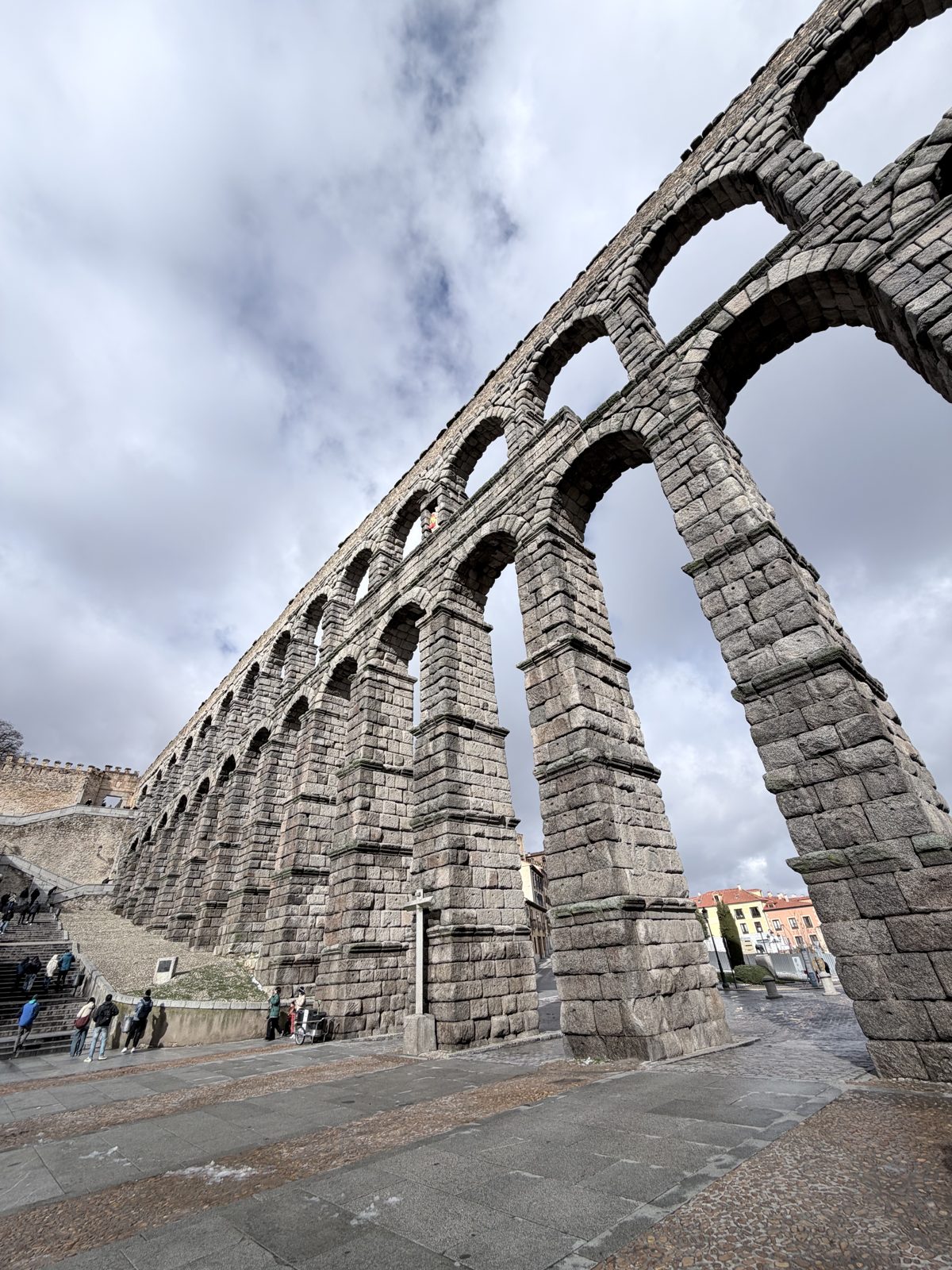
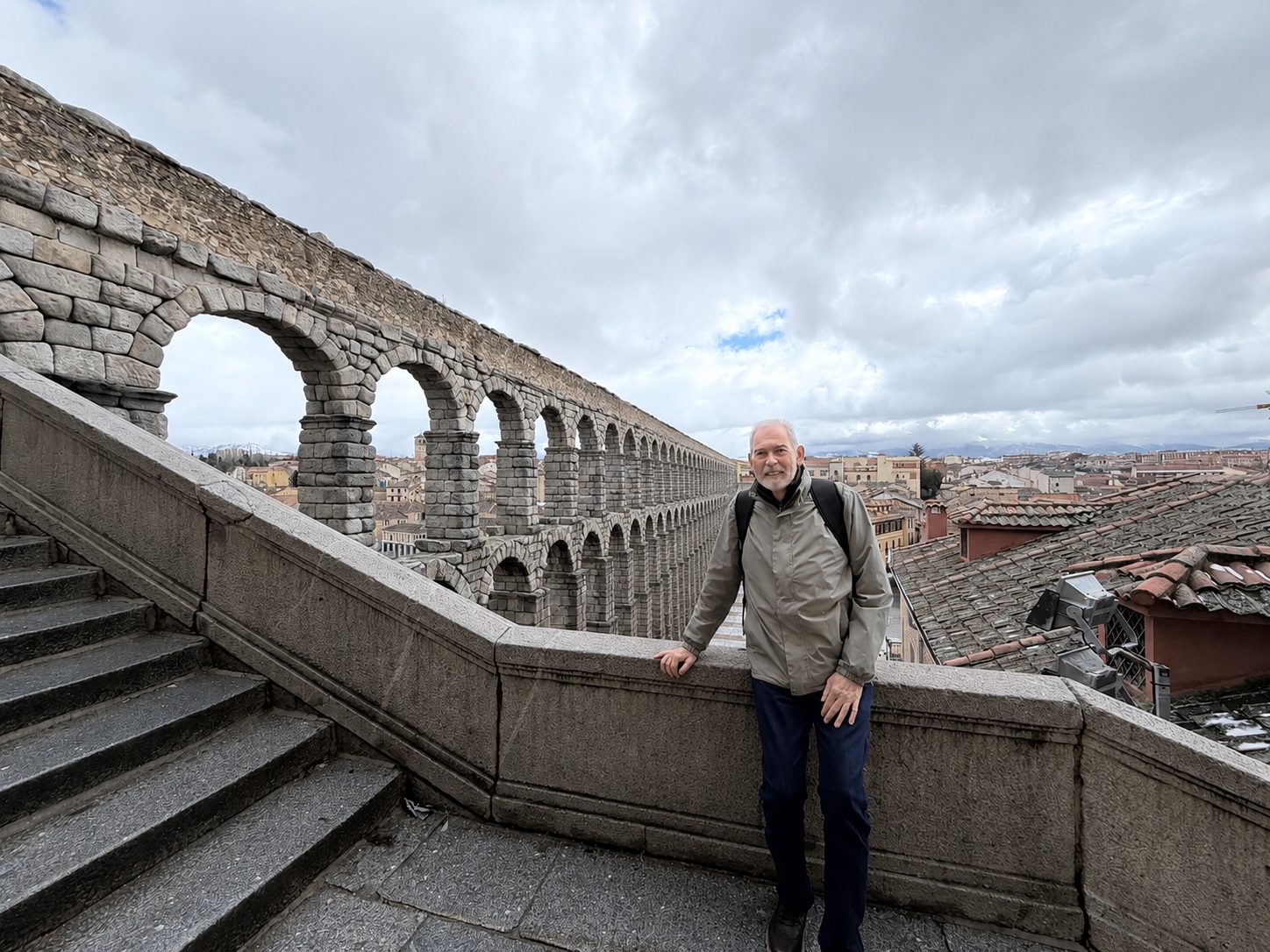
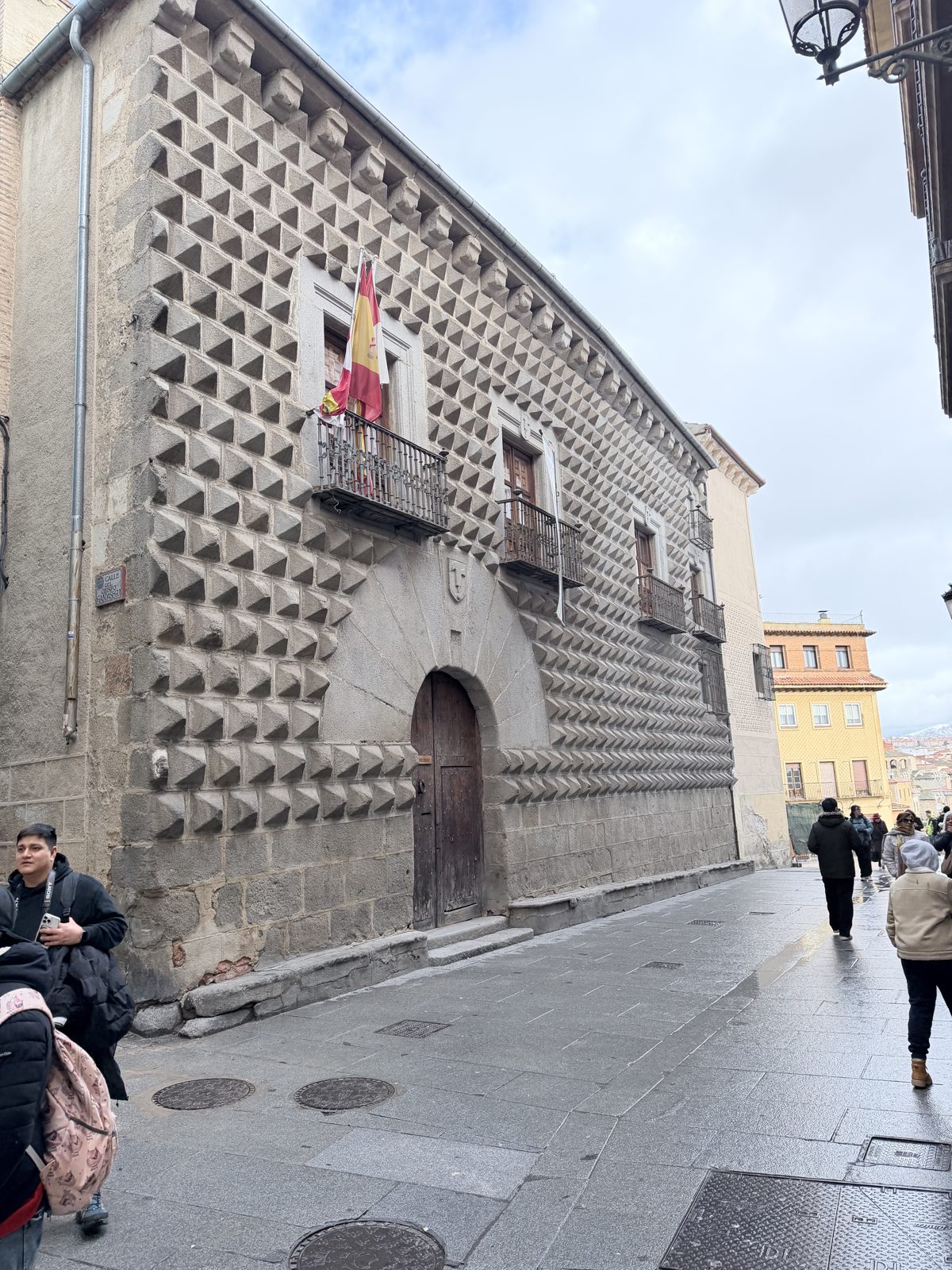
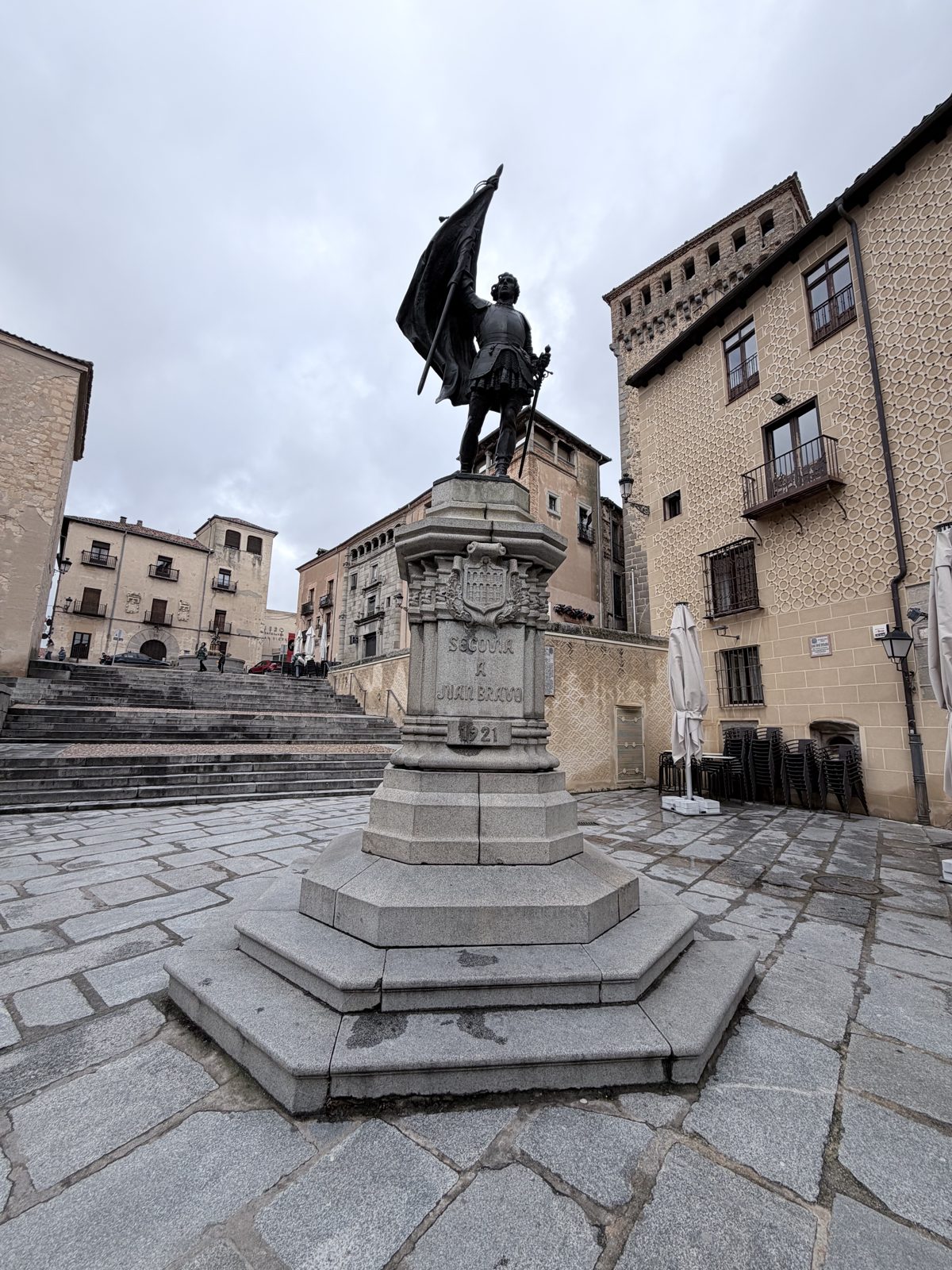
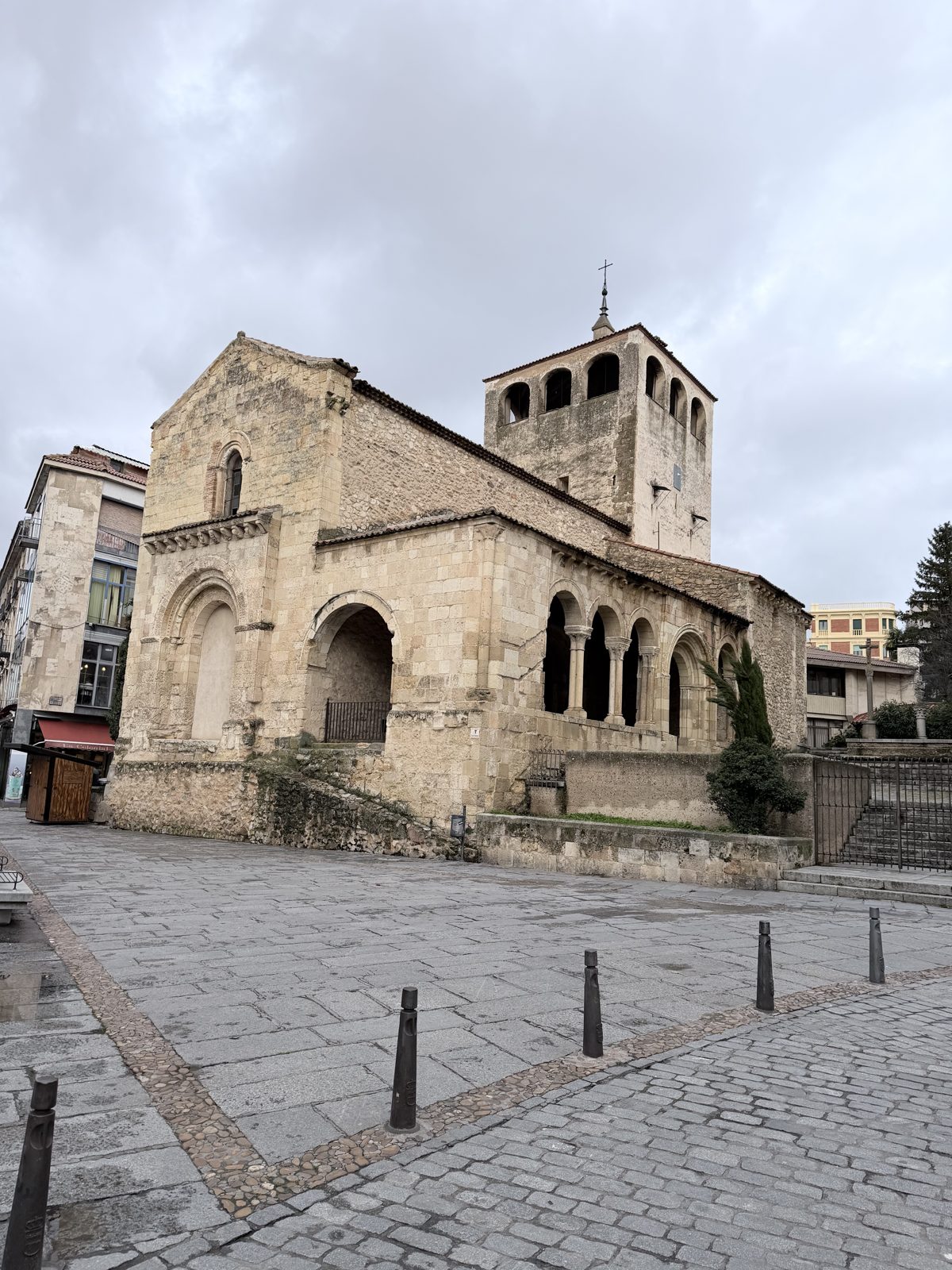
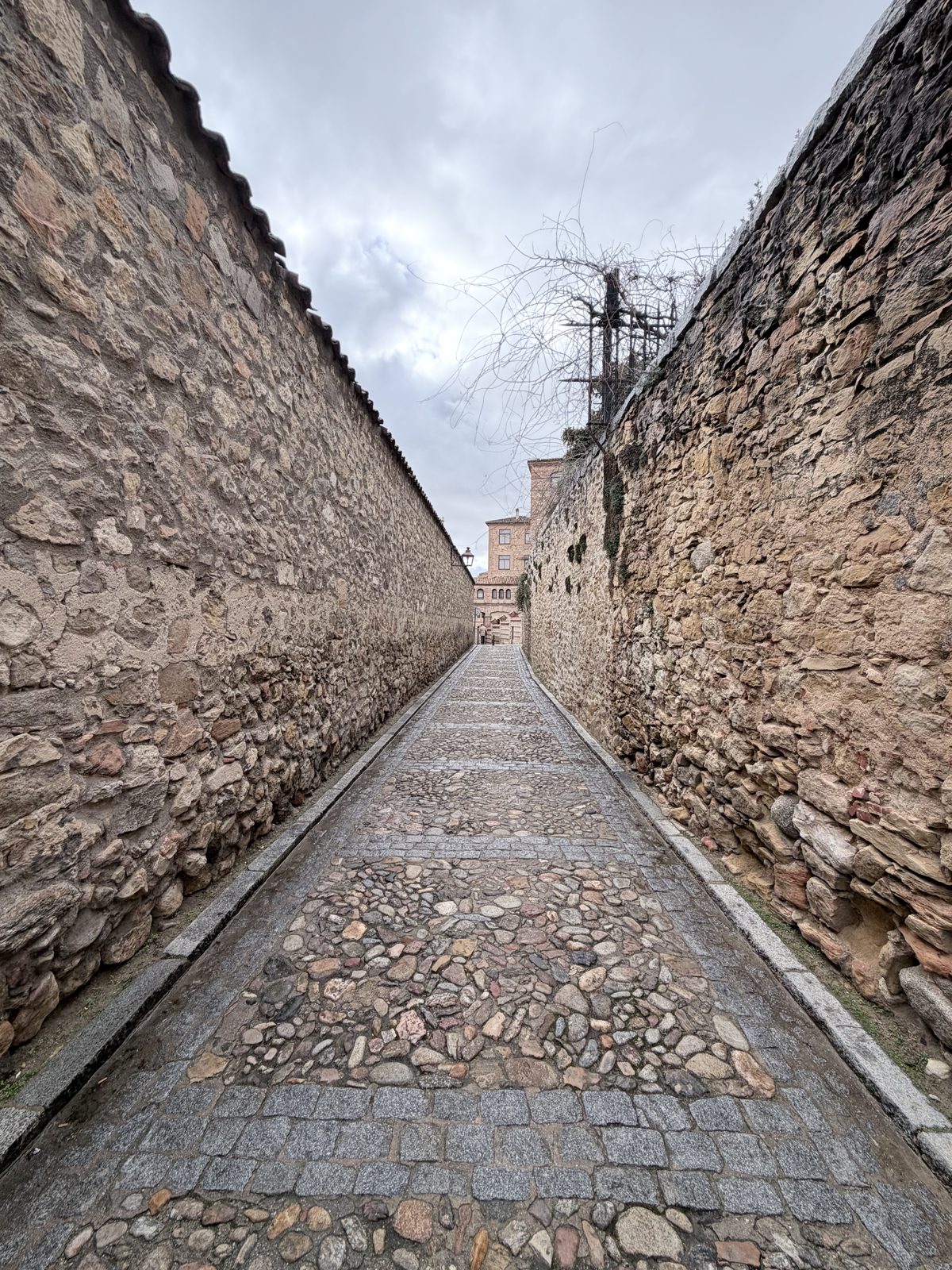
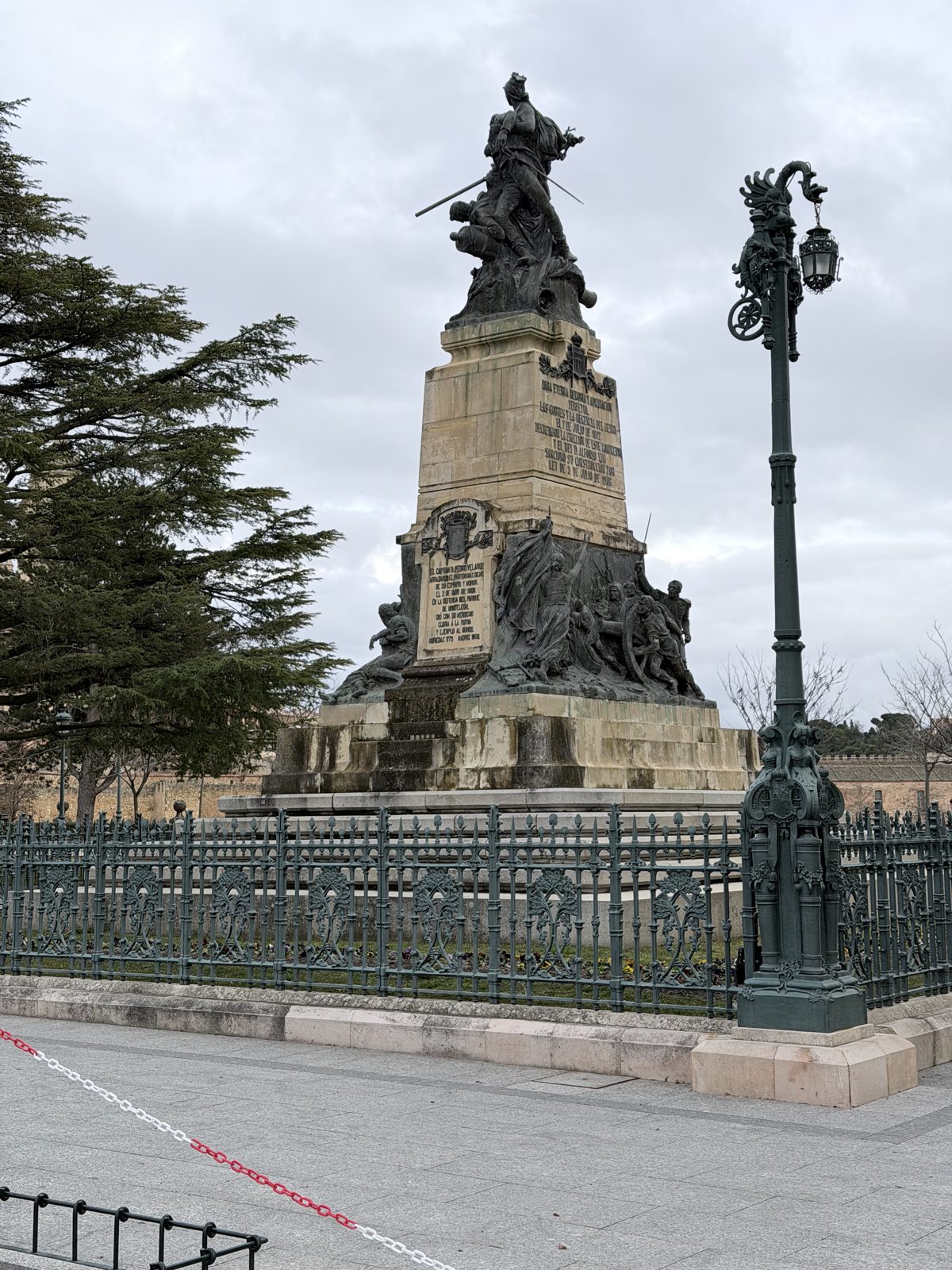
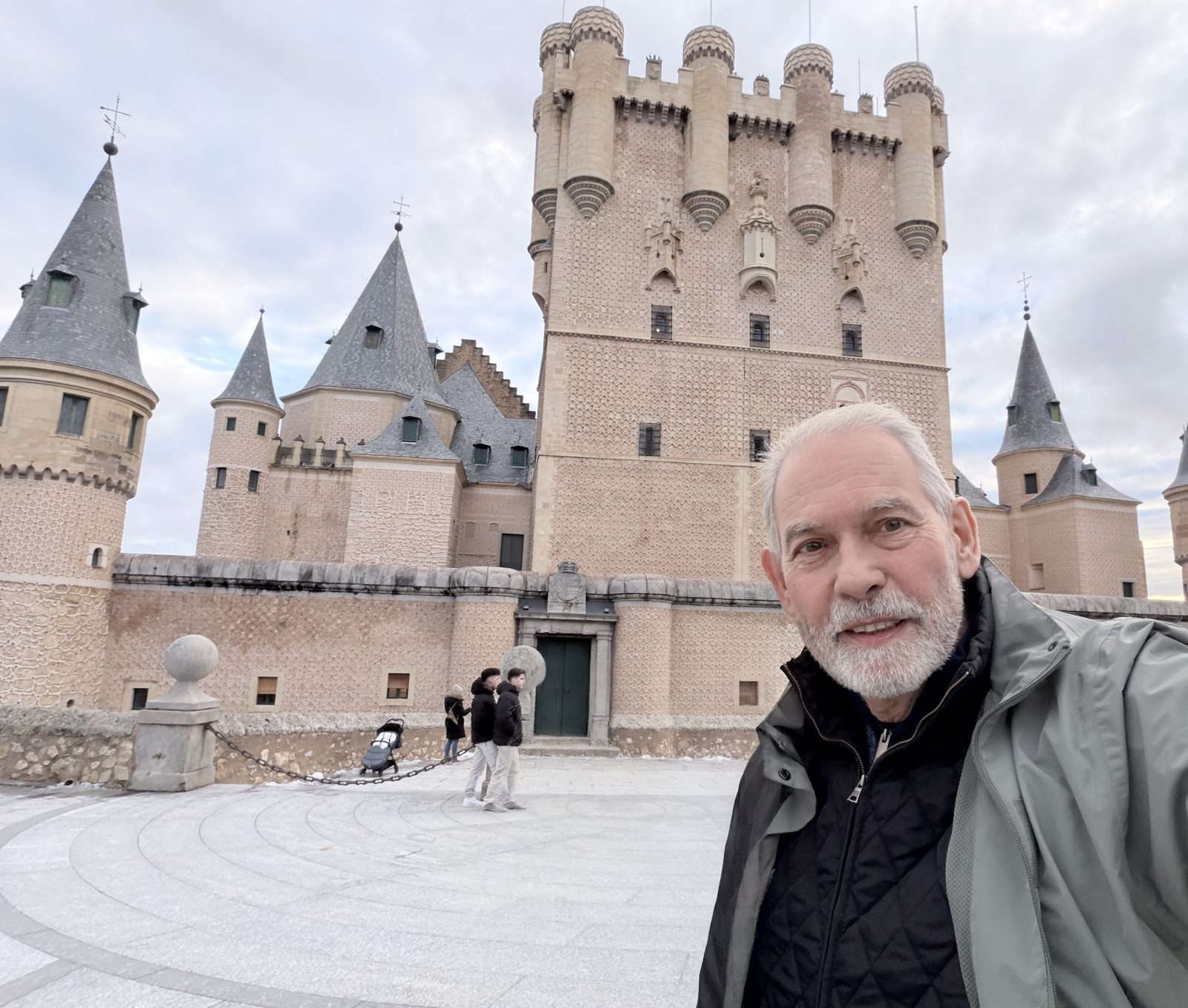
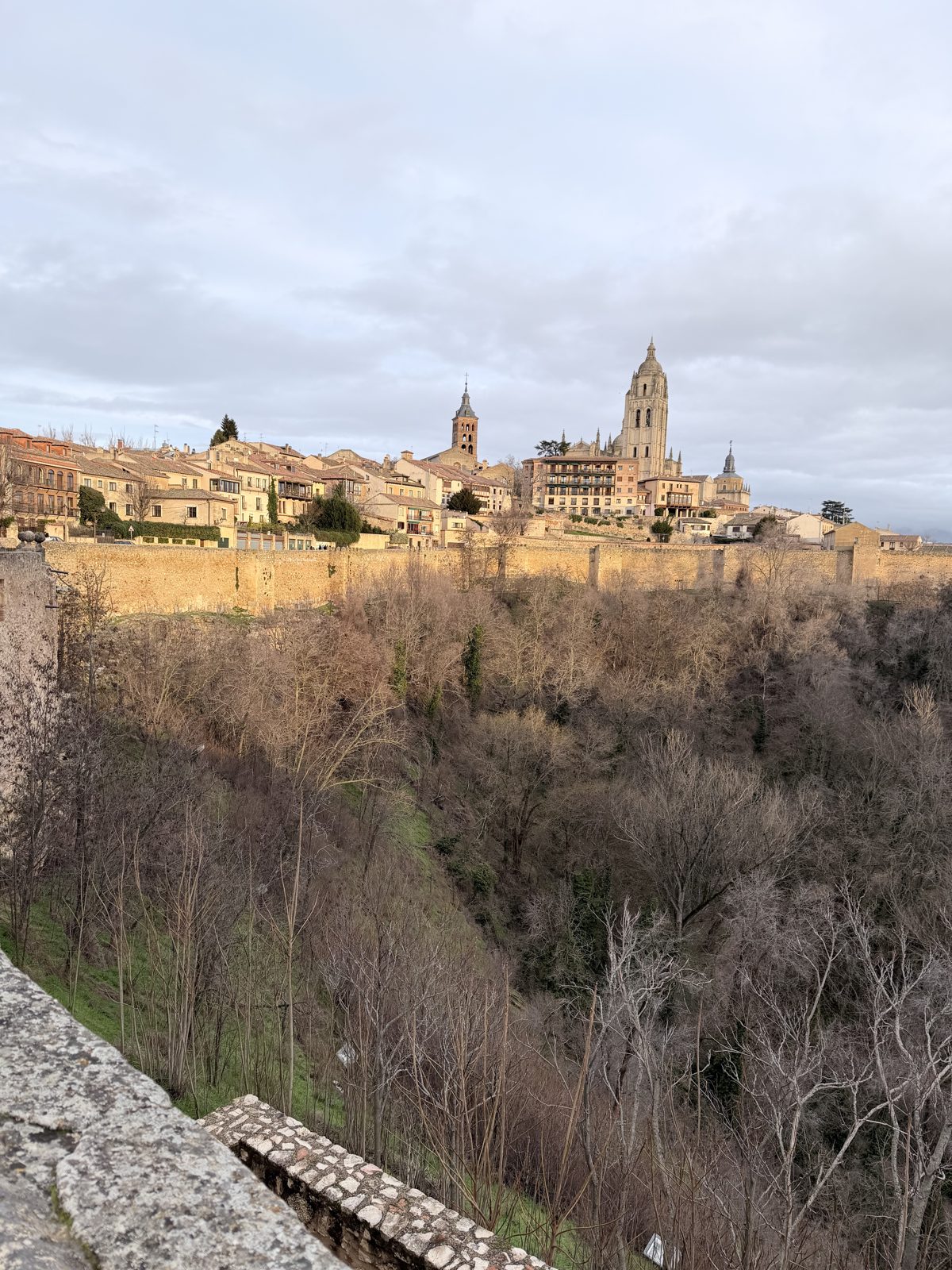
Segovia is the day trip you must not skip: 30 minutes on the Avant train from Madrid-Chamartín, then bus or taxi from the station to the old town. The Roman aqueduct stands right in the middle of the city, 28 metres high, built from granite blocks without mortar – you stand in front of it and can’t understand how it has held up for 2,000 years. From there the Calle Real climbs through the old town to the cathedral and on to the Alcázar, the castle on the rocky spur that looks straight out of a fairy tale.
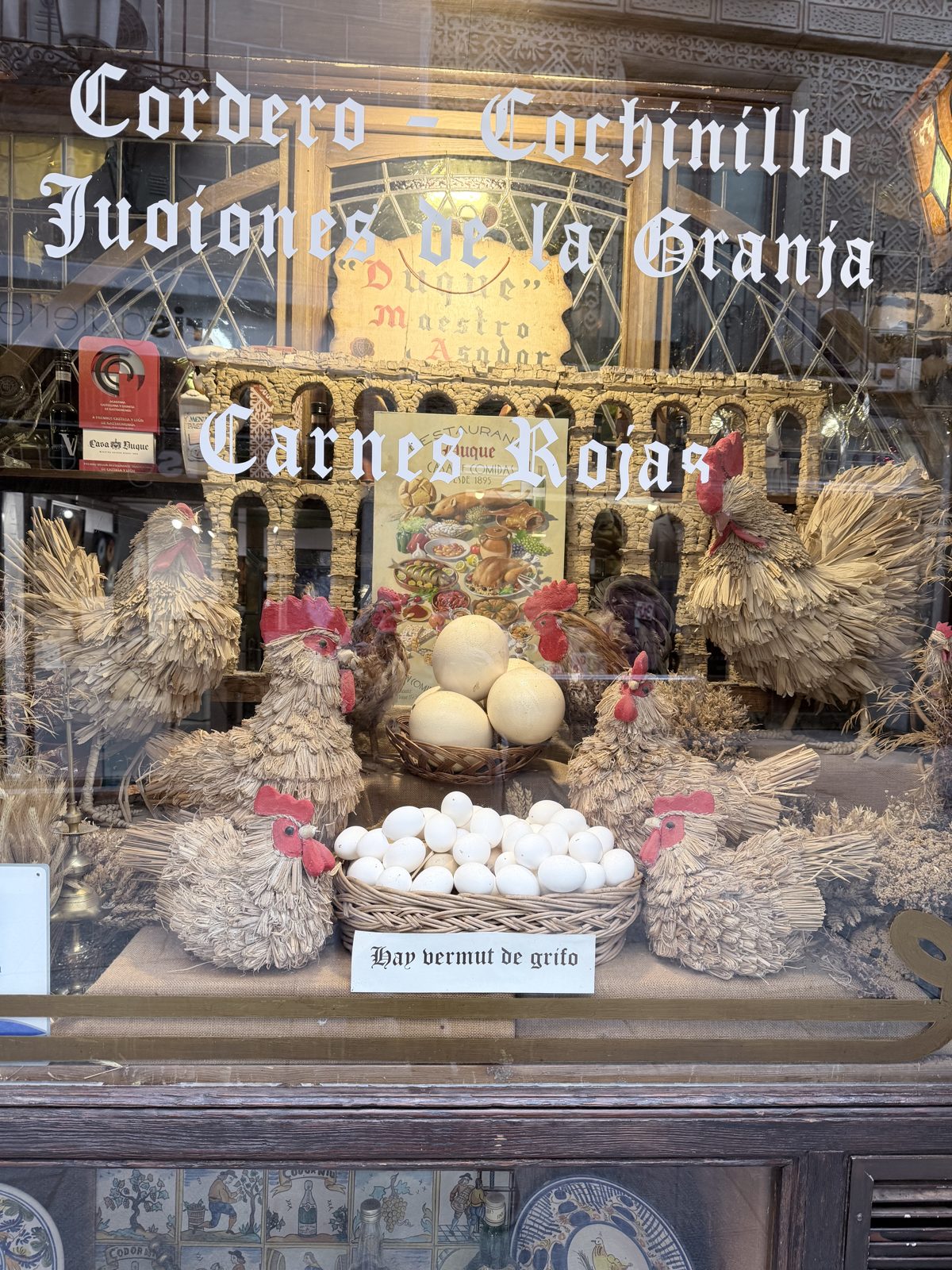
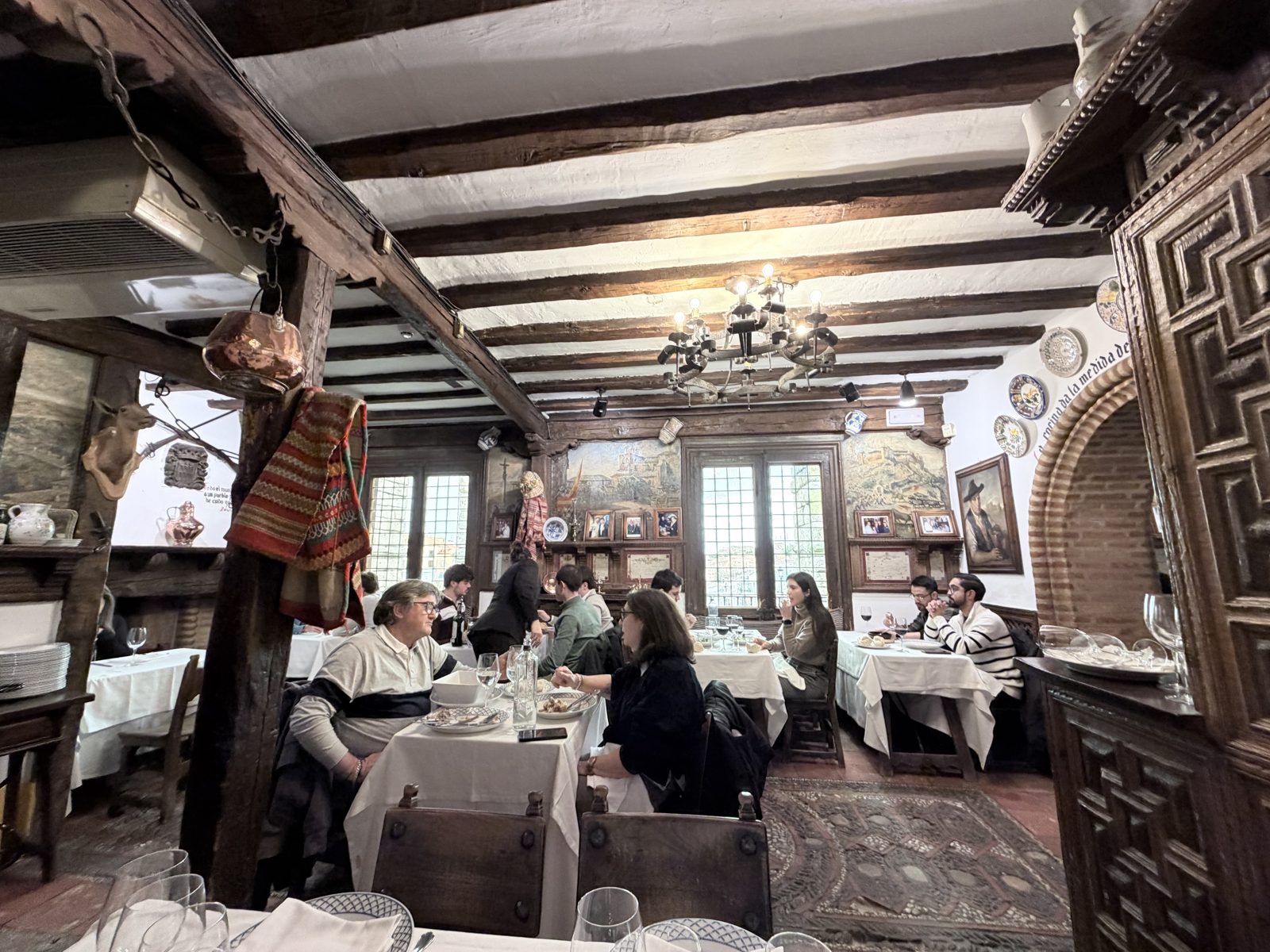
Lunch has to be cochinillo, the suckling pig, which in Segovia is so tender it is carved at the table with the edge of a plate. Casa Duque has been doing it since 1895; with it, judiones, the big white beans from La Granja. Book ahead, especially at weekends.
Day trip to Ávila
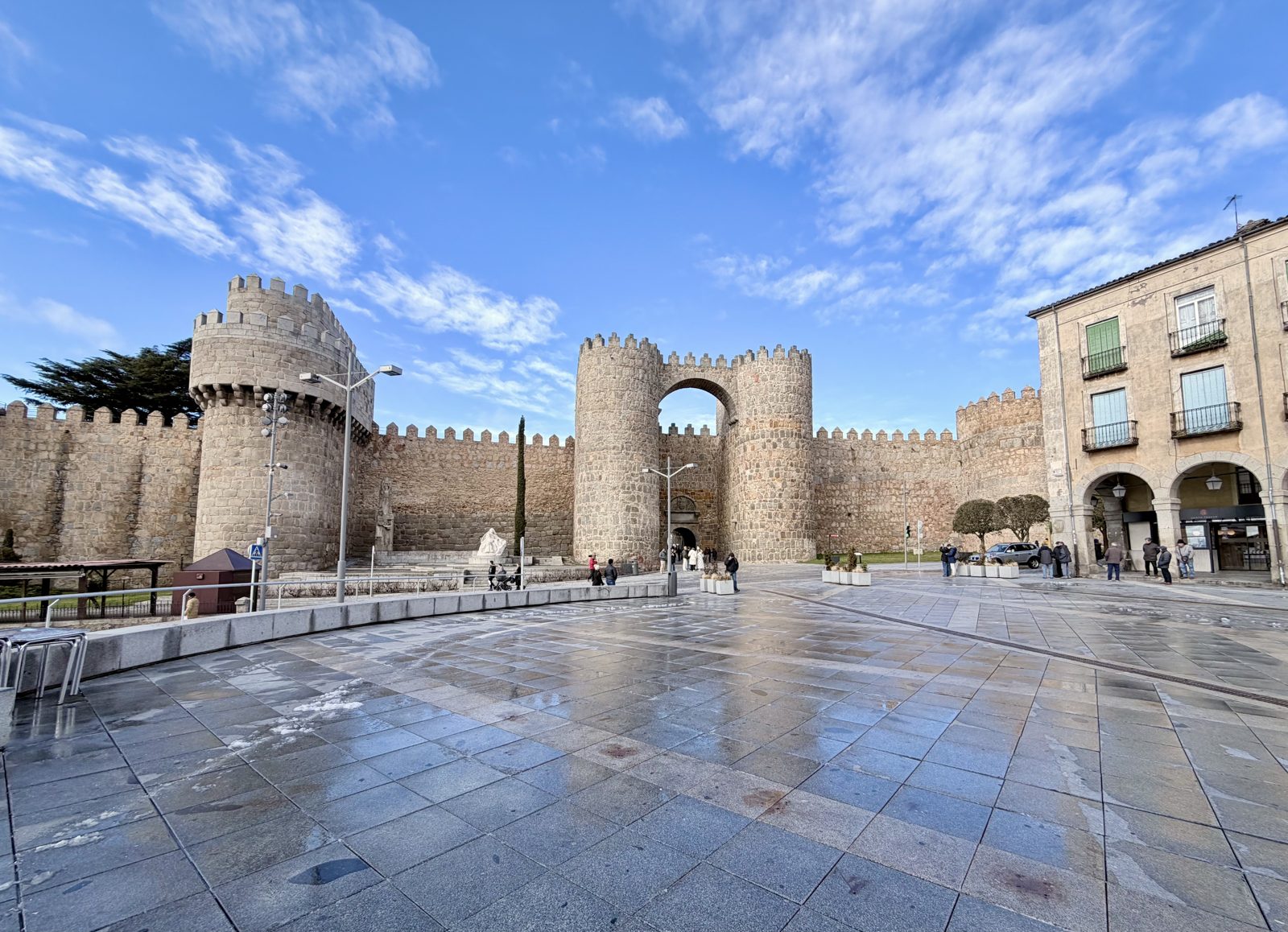
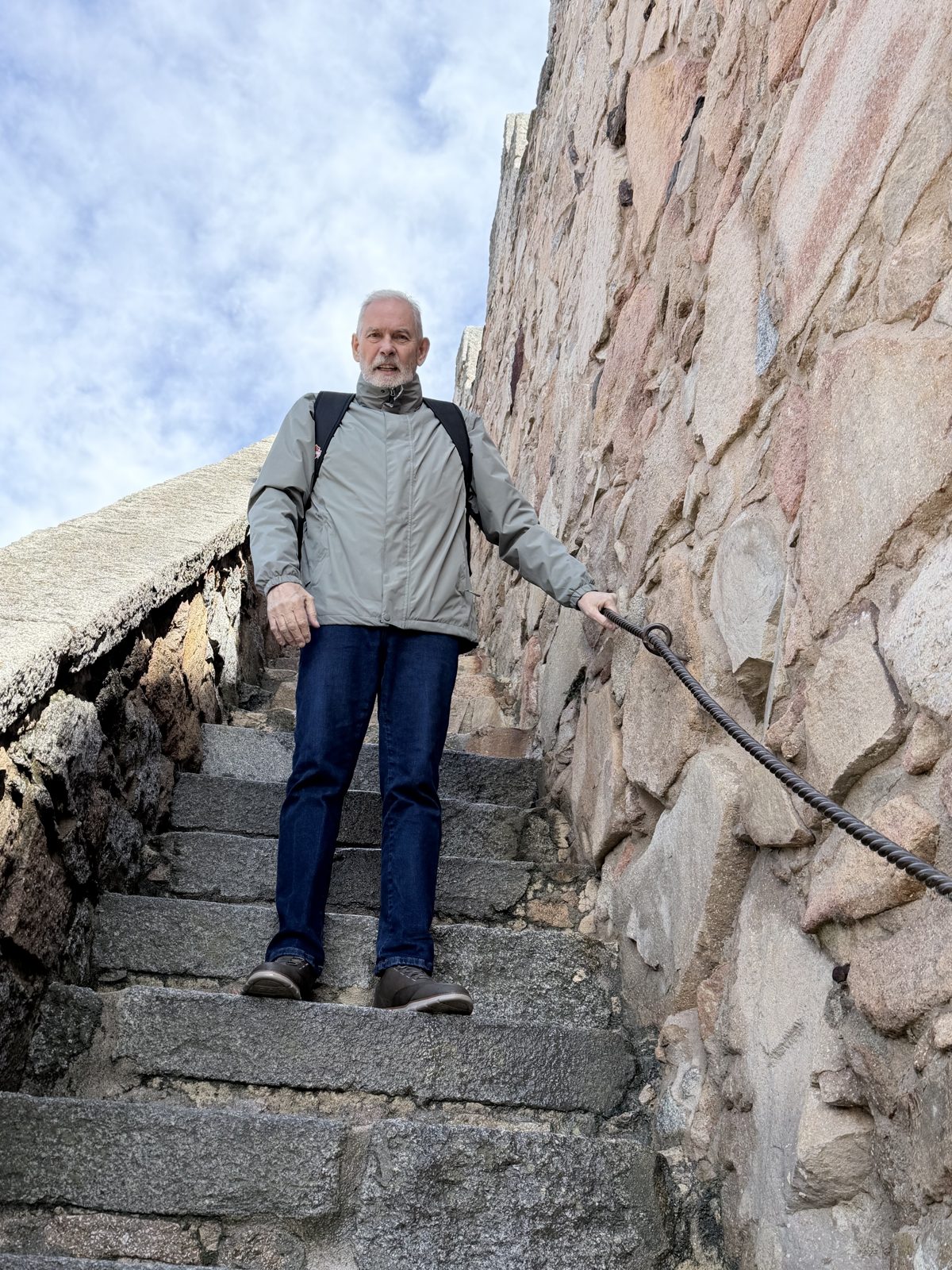
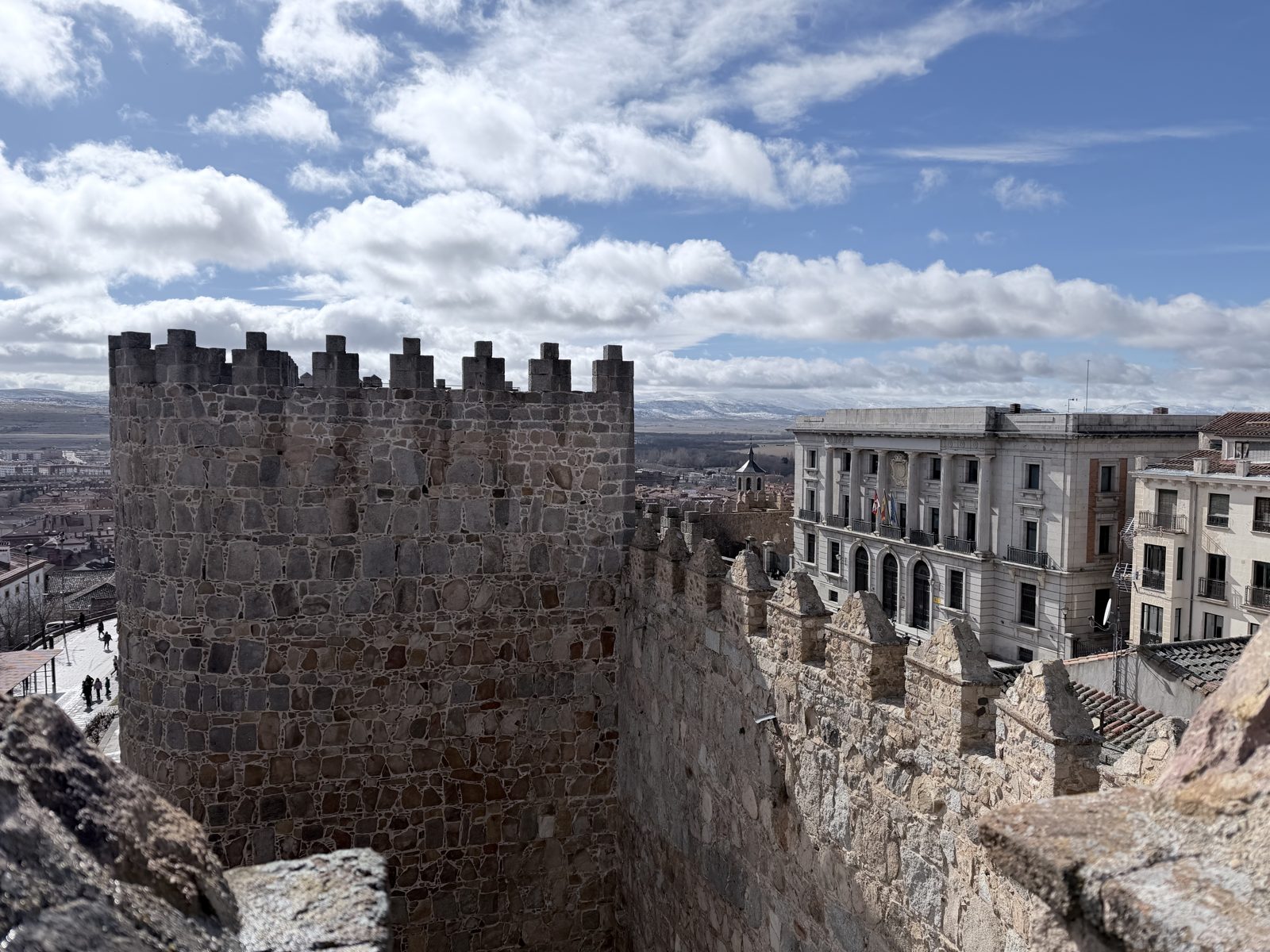
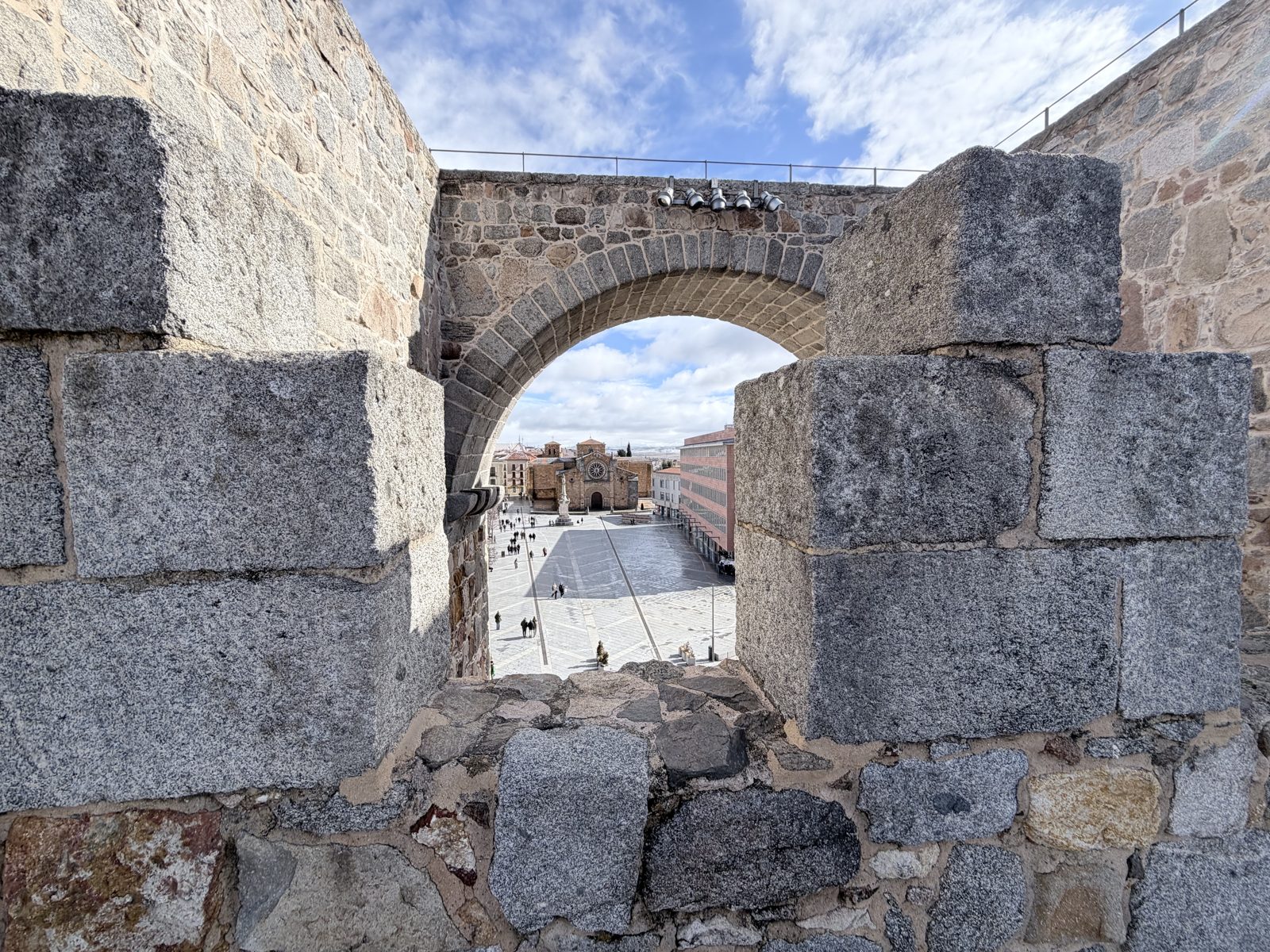
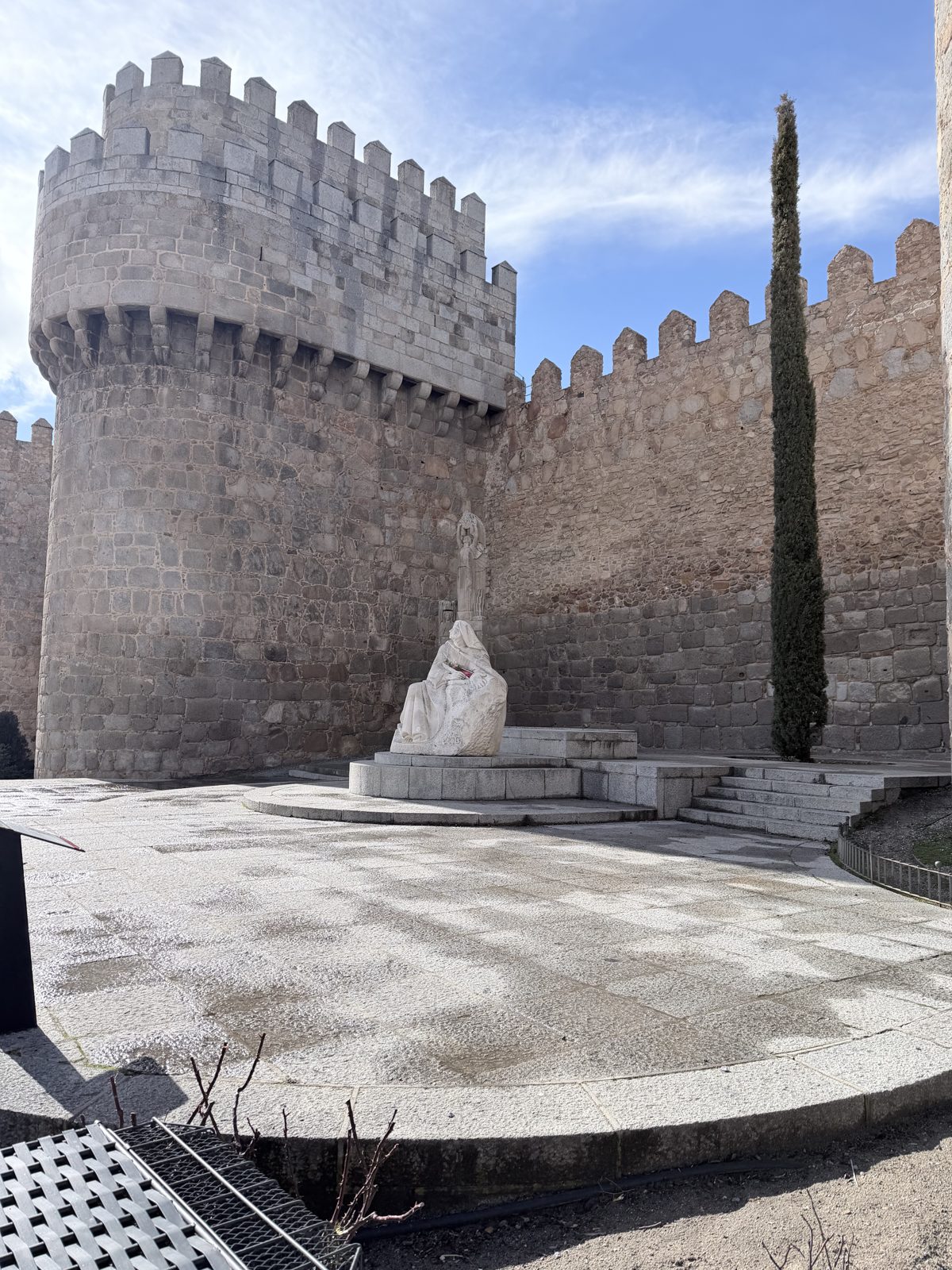
Ávila sits at 1,130 metres, is the highest provincial capital in Spain and accordingly cold in winter – but the sky is often a brilliant blue. The 11th-century city walls are the best preserved in Europe: 2.5 kilometres, 88 towers, 9 gates, and you can walk along the top, looking out at the snow-covered Sierra de Gredos. By train it is 90 minutes from Madrid, from Segovia just under an hour by bus.
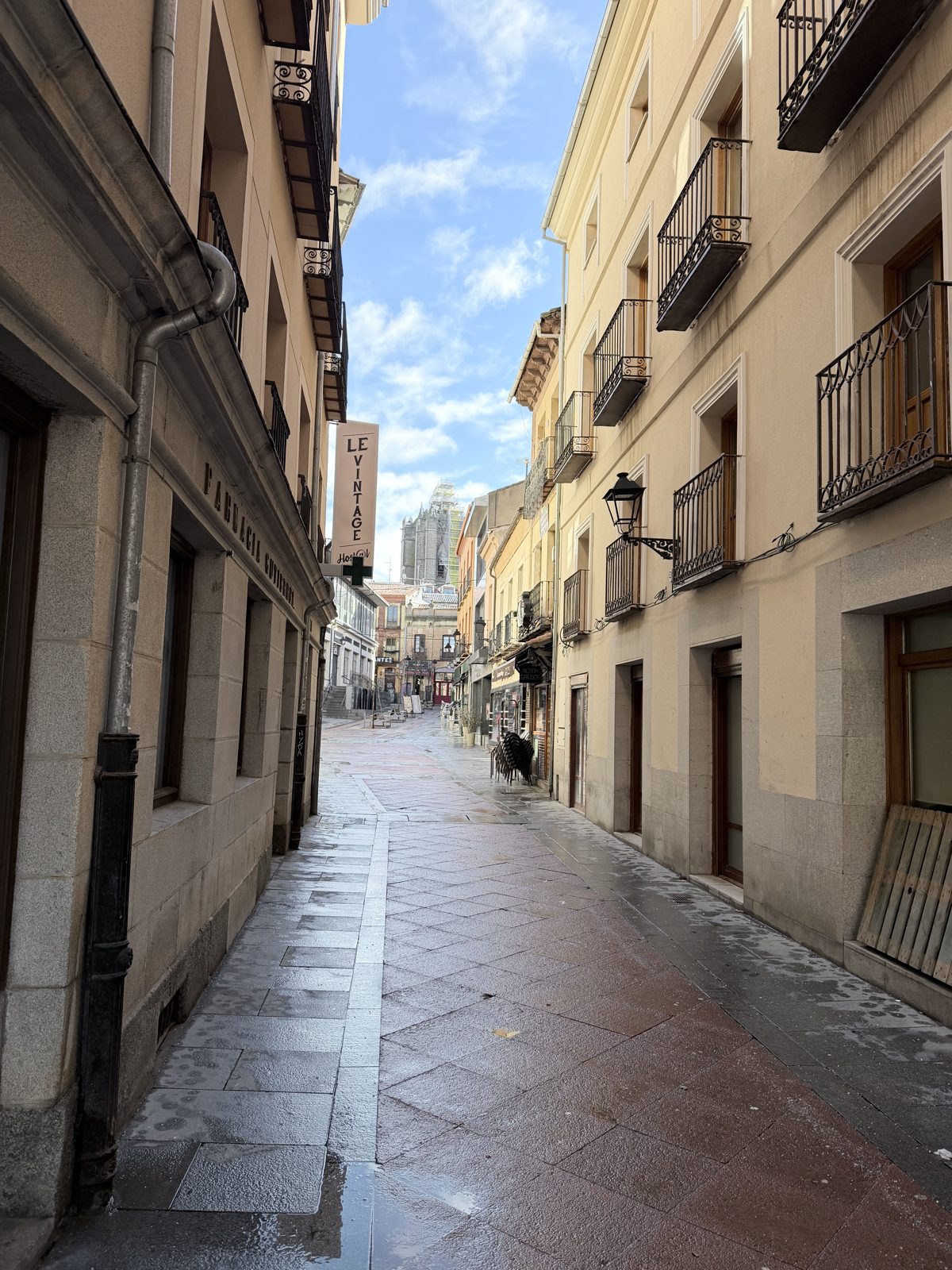
In the old town everything is close together: the cathedral, built right into the wall, the Plaza de Santa Teresa with the Romanesque church of San Pedro, and traces of Saint Teresa everywhere, who was born here in 1515. The specialities are yemas de Santa Teresa, sweet egg-yolk balls – and the chuletón, a huge beef chop from Ávila cattle.
Where to stay?
In Madrid I prefer to stay between Puerta del Sol and Gran Vía – everything within walking distance, the metro on the doorstep, life on the streets in the evening. The Vincci Centrum is right there.
Find accommodation in Madrid
I almost always compare hotels and apartments on Booking.com – with genuine reviews and usually free cancellation.
See accommodation in Madrid Compare on Hotels.com Holiday rental on Vrbo