Why Sardinia?
Sardinia is not one island but five: the Costa Smeralda with Porto Cervo in the north-east, the Catalan town of Alghero in the north-west, the wild mountains around Dorgali and Cala Gonone in the east, the mining coast near Buggerru in the south-west and the white beaches of Villasimius in the south. Every corner has its own food, its own dialects, its own landscape.
I prefer to tour the island by motorcycle or car, with two to three nights per region. The island is also ideal for cycling tours. Sardinia is known for spectacular views and landscapes. The roads are empty, the passes in the interior spectacular, and on every coast there is a cove you can only reach on foot or by boat.
I have stayed in all the hotels below myself. All can be booked on Booking.com – the links lead directly to each property.
My photos from Sardinia
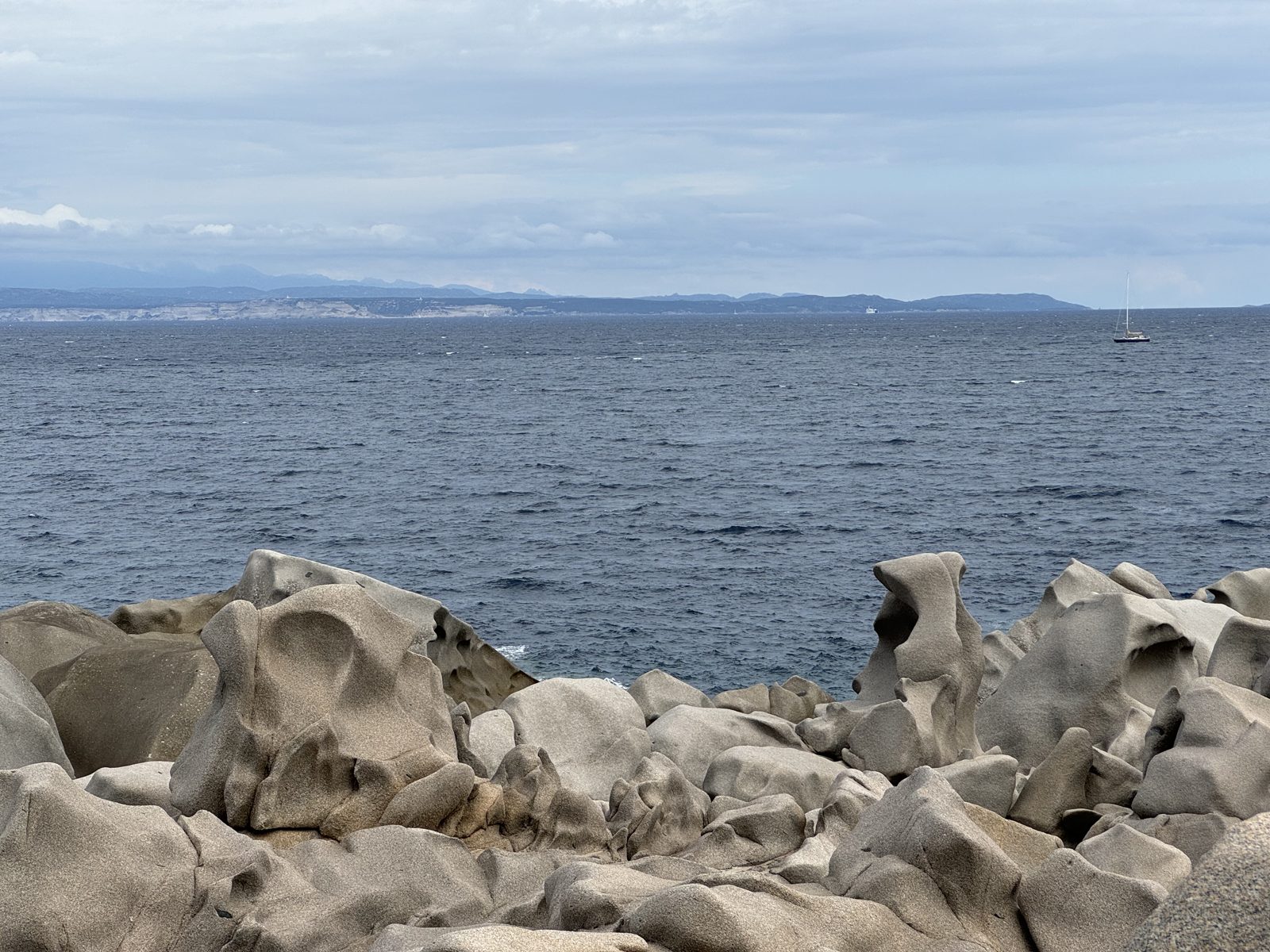
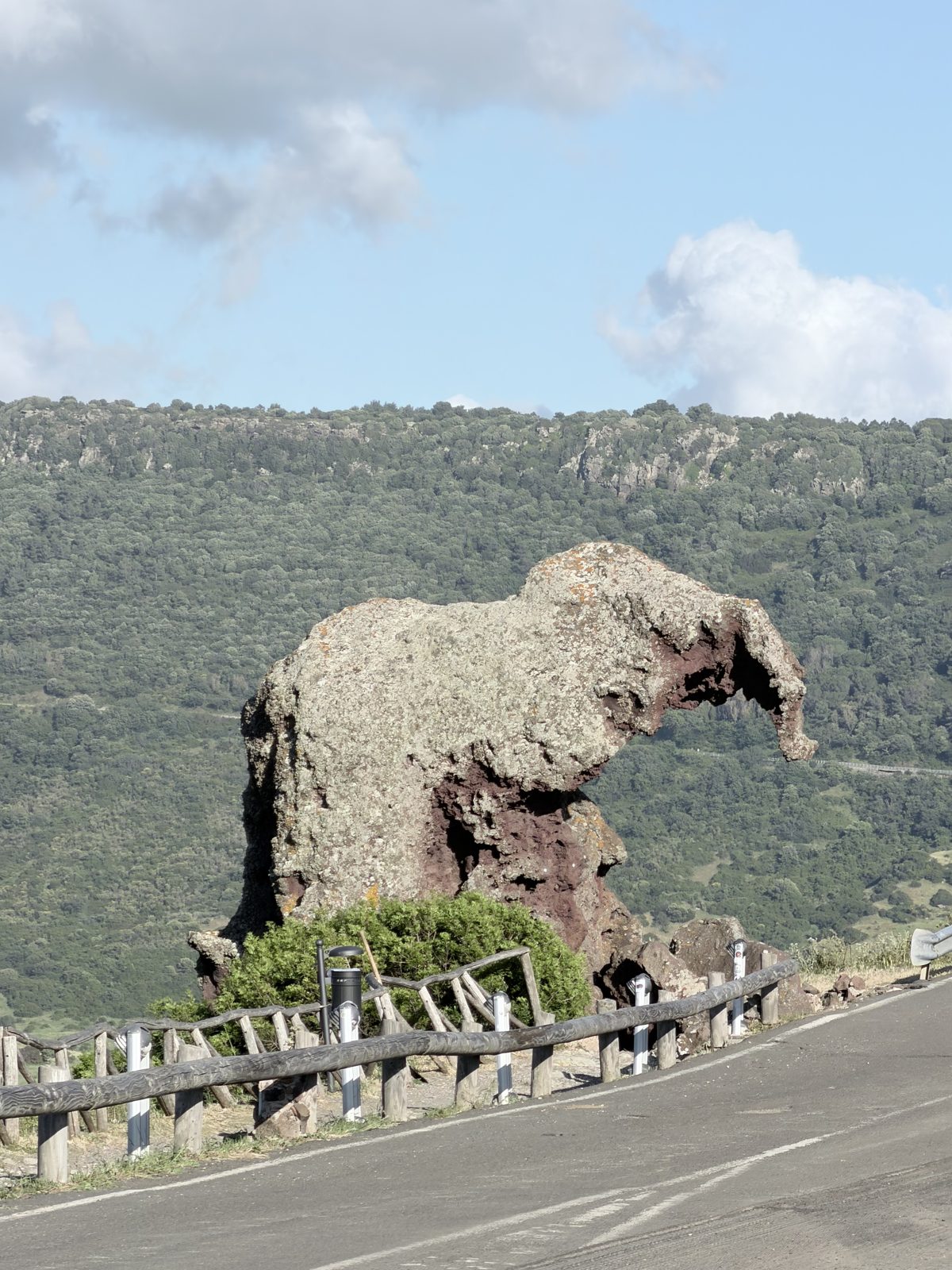
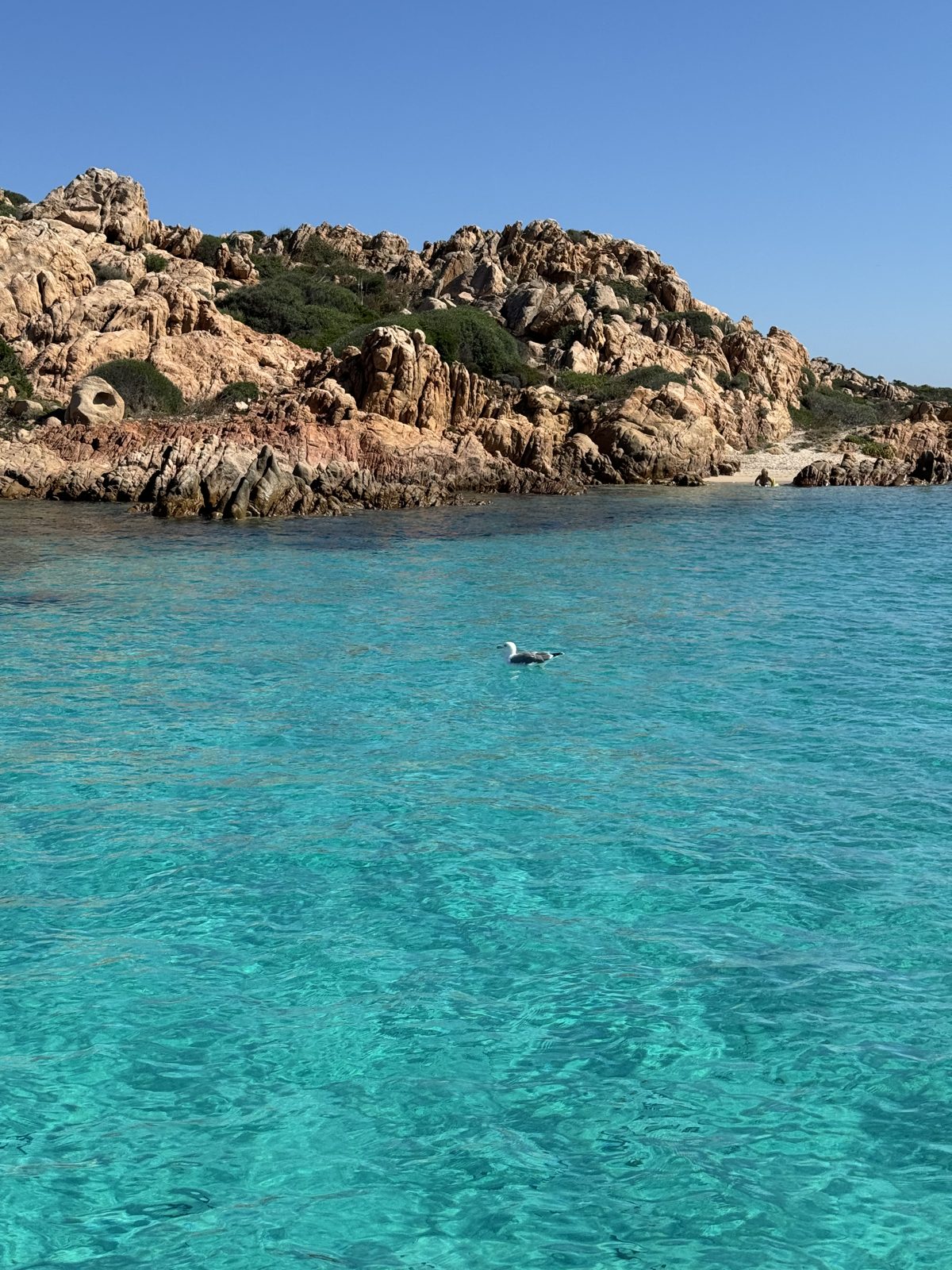
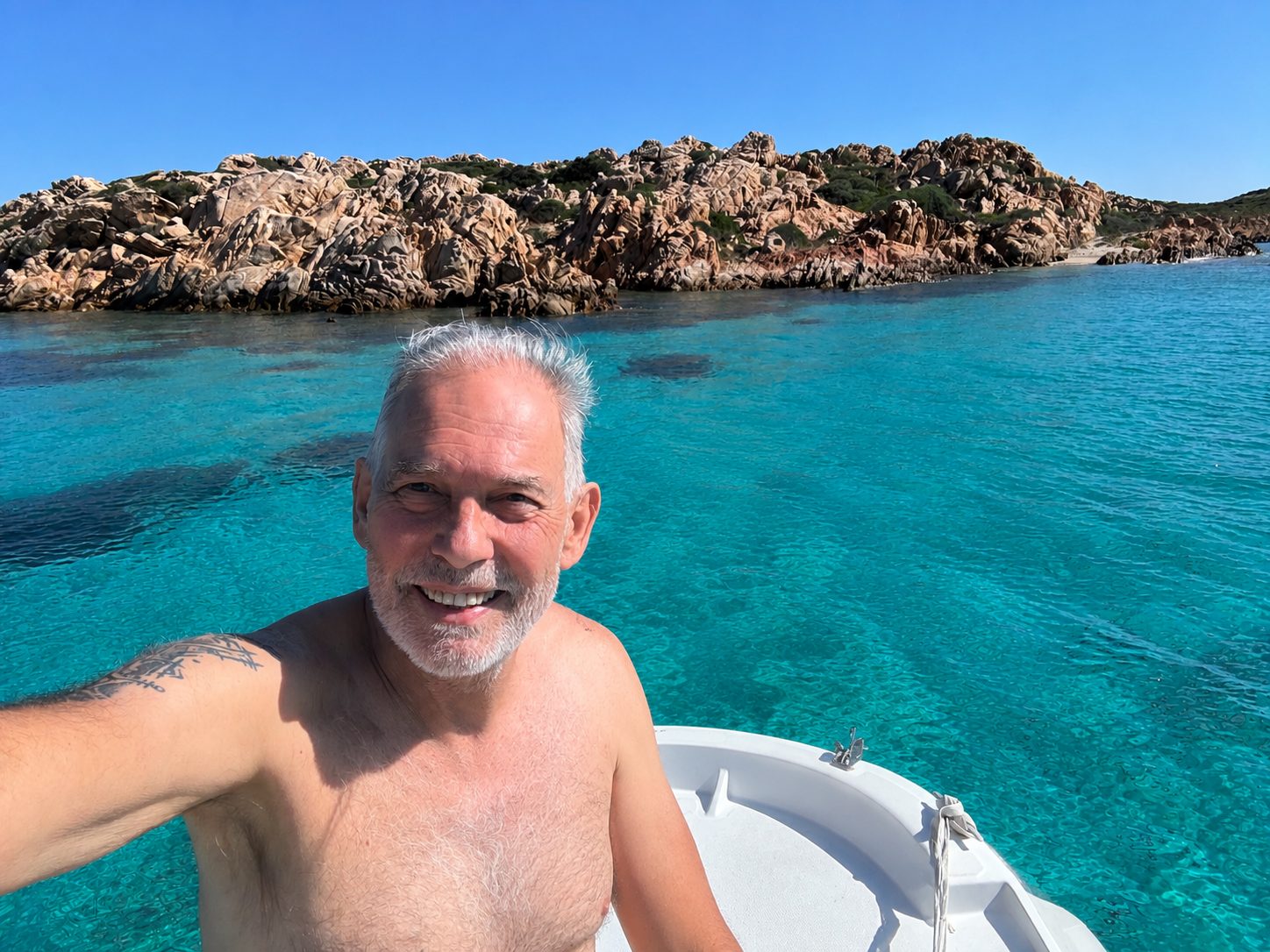
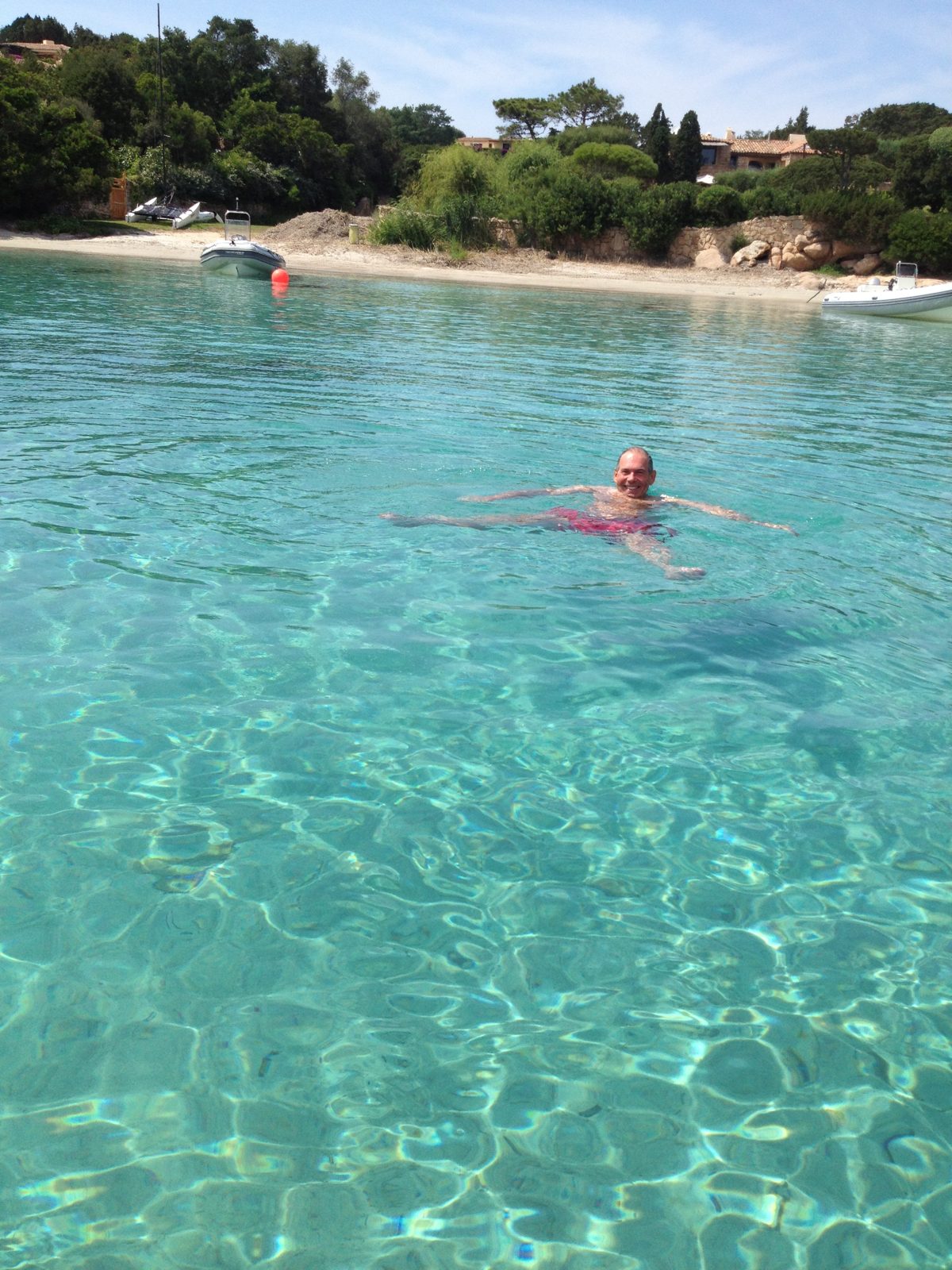
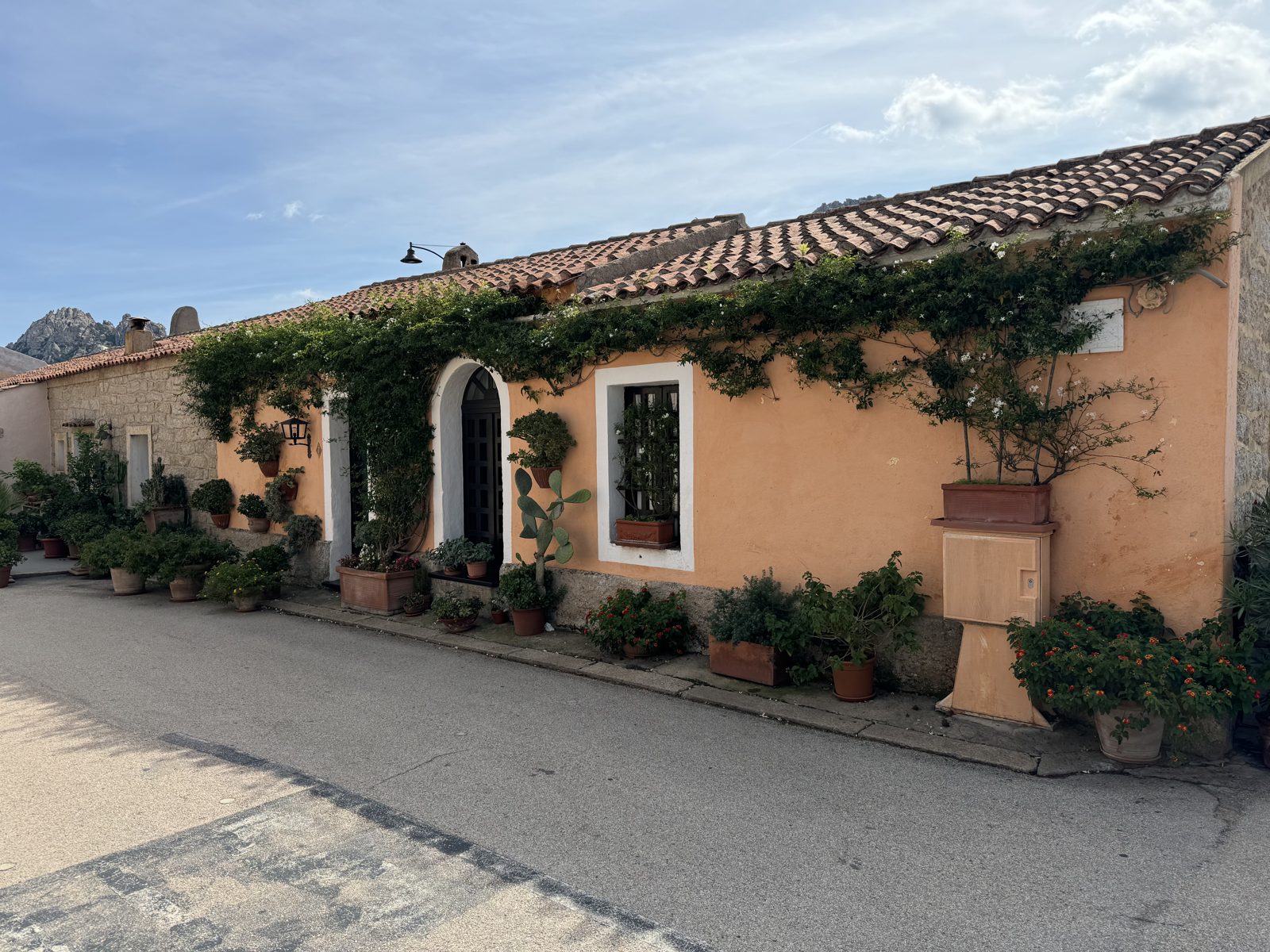
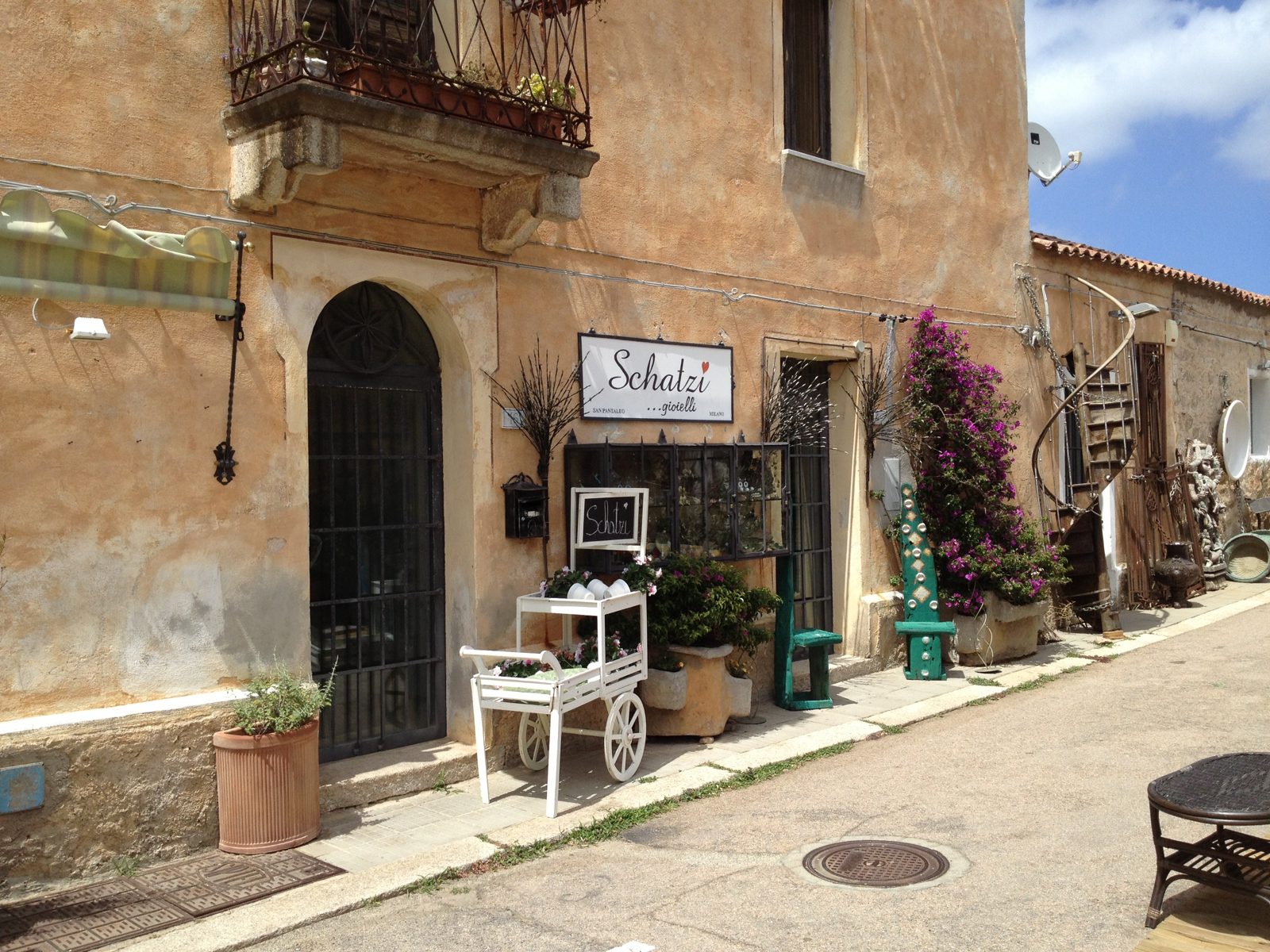
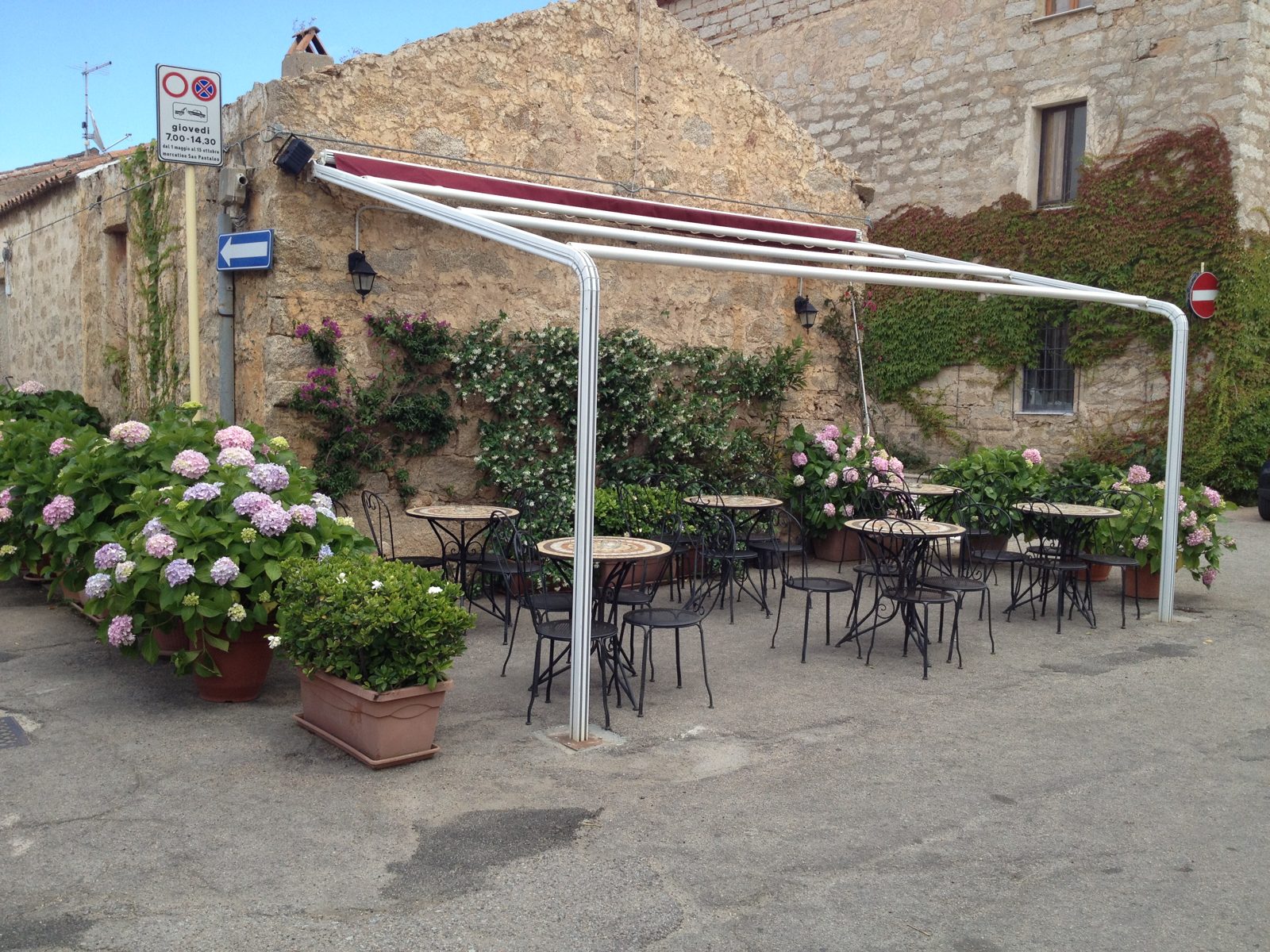
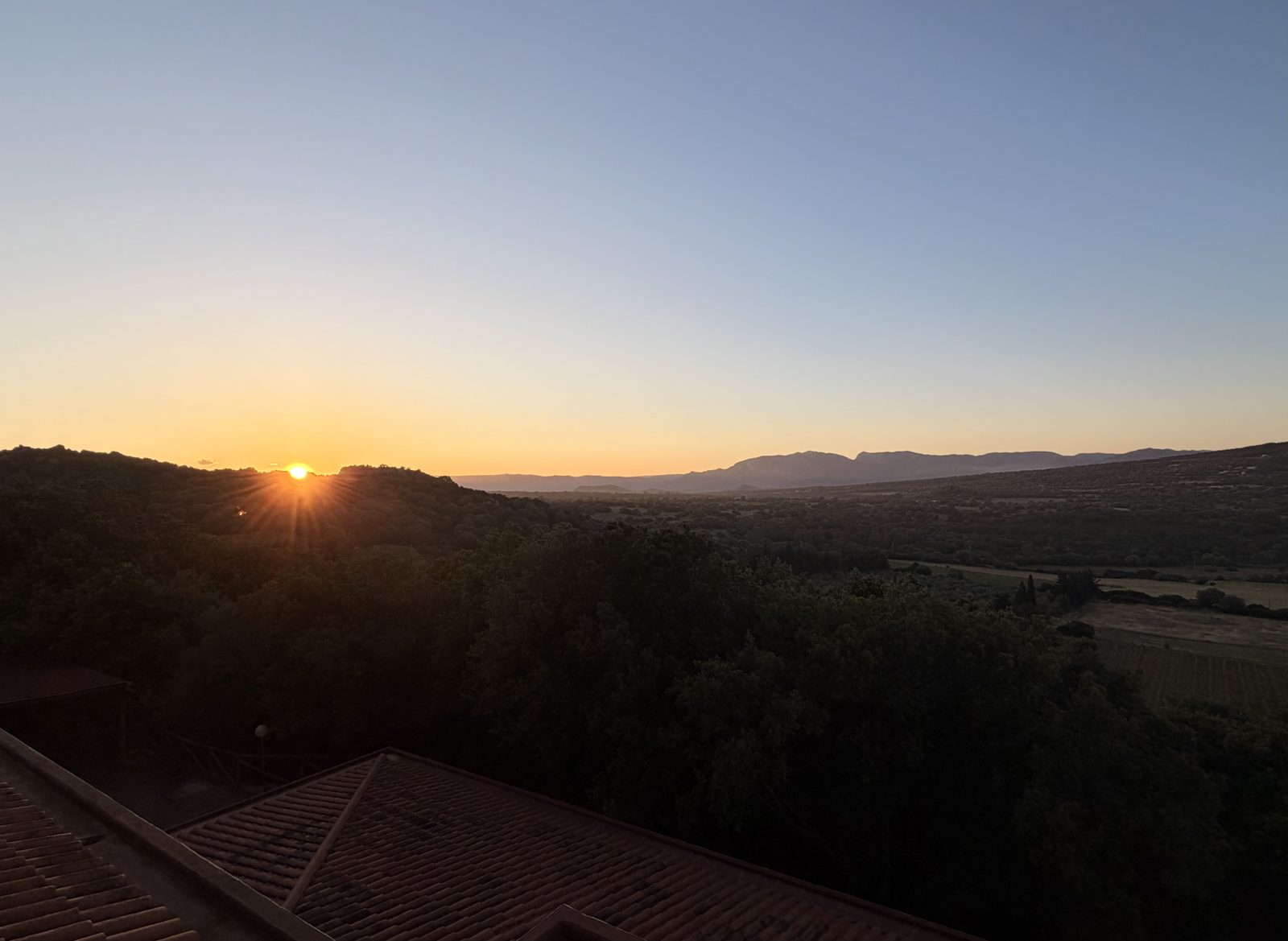
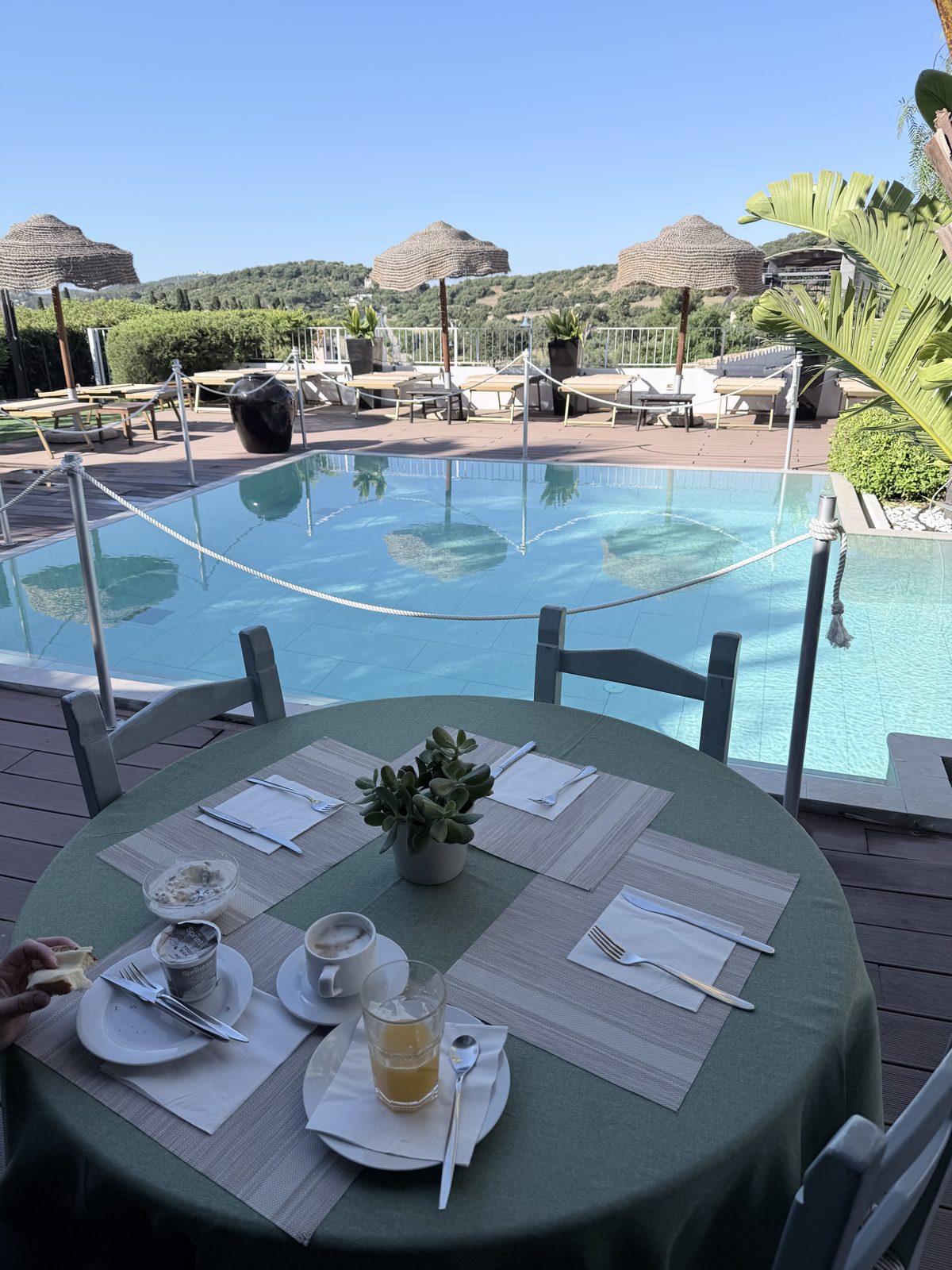
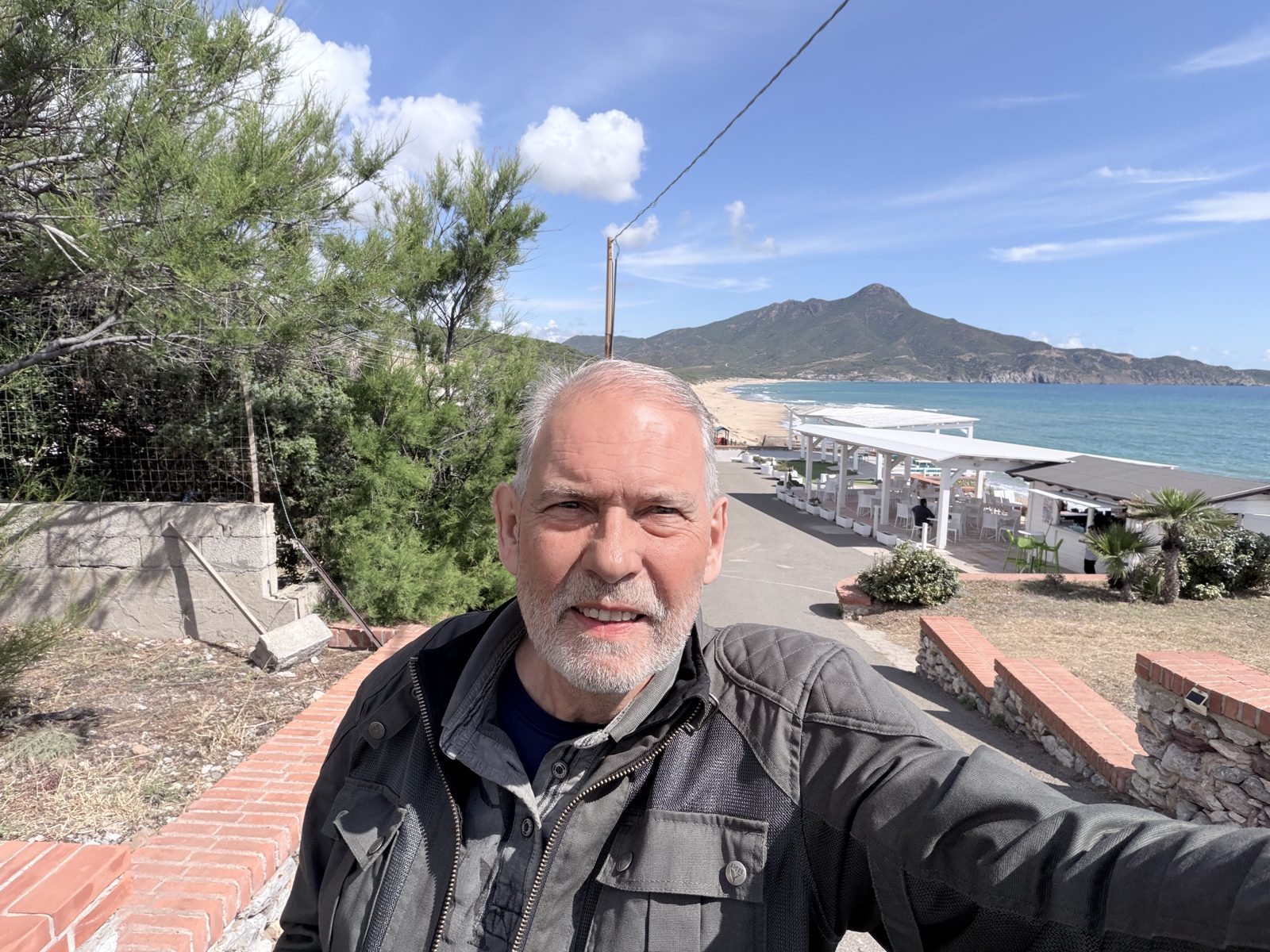
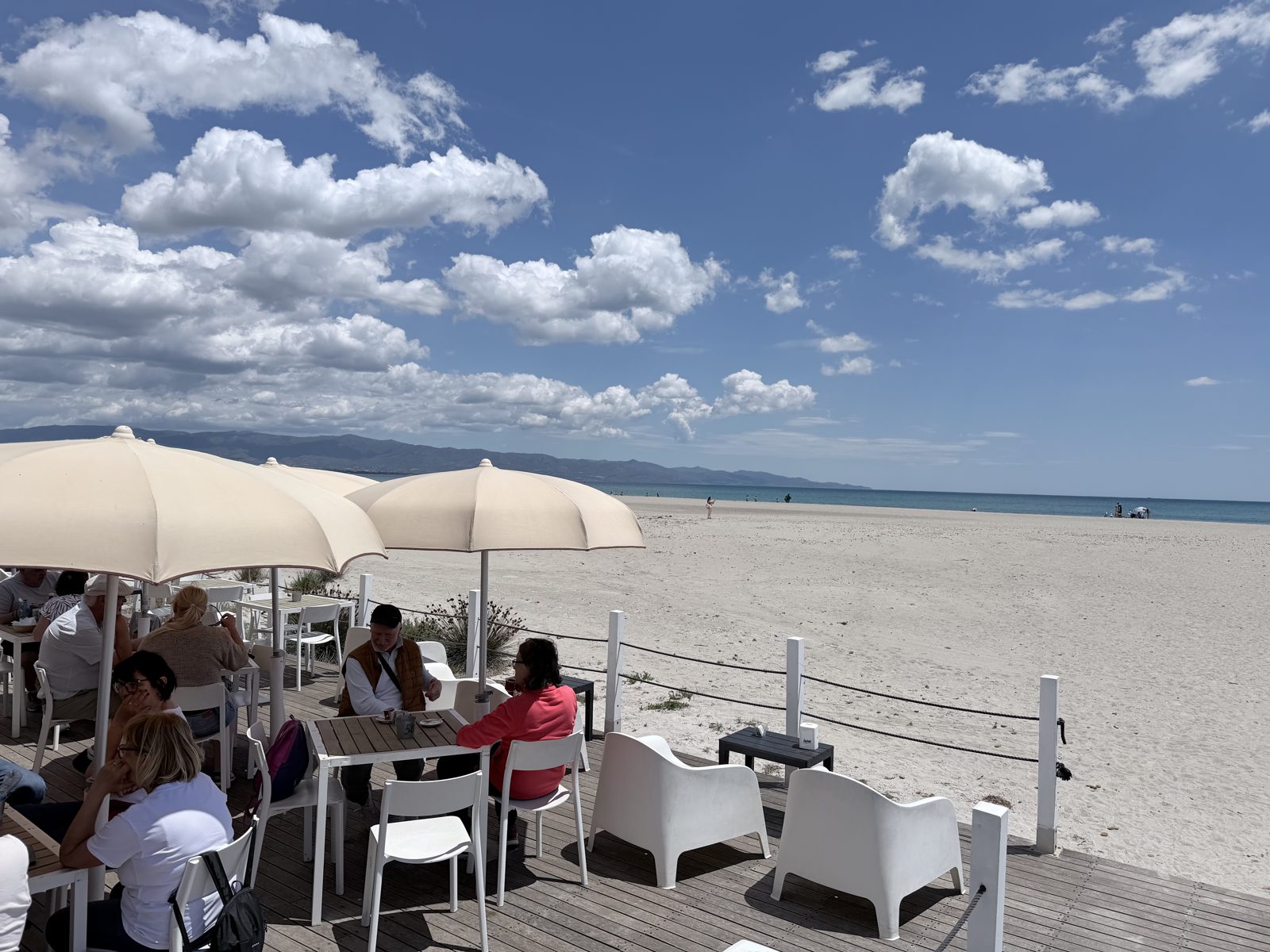
All pictures taken by me – by motorcycle through the interior, by boat in the archipelago, on foot in the villages.
On Sardinia’s roads
Sardinian traffic rule: whoever is bigger has right of way. Cows, sheep and goats regularly stand in the road in the hinterland – stop and wait, especially on a motorcycle.
North: Gallura, Costa Smeralda and La Maddalena
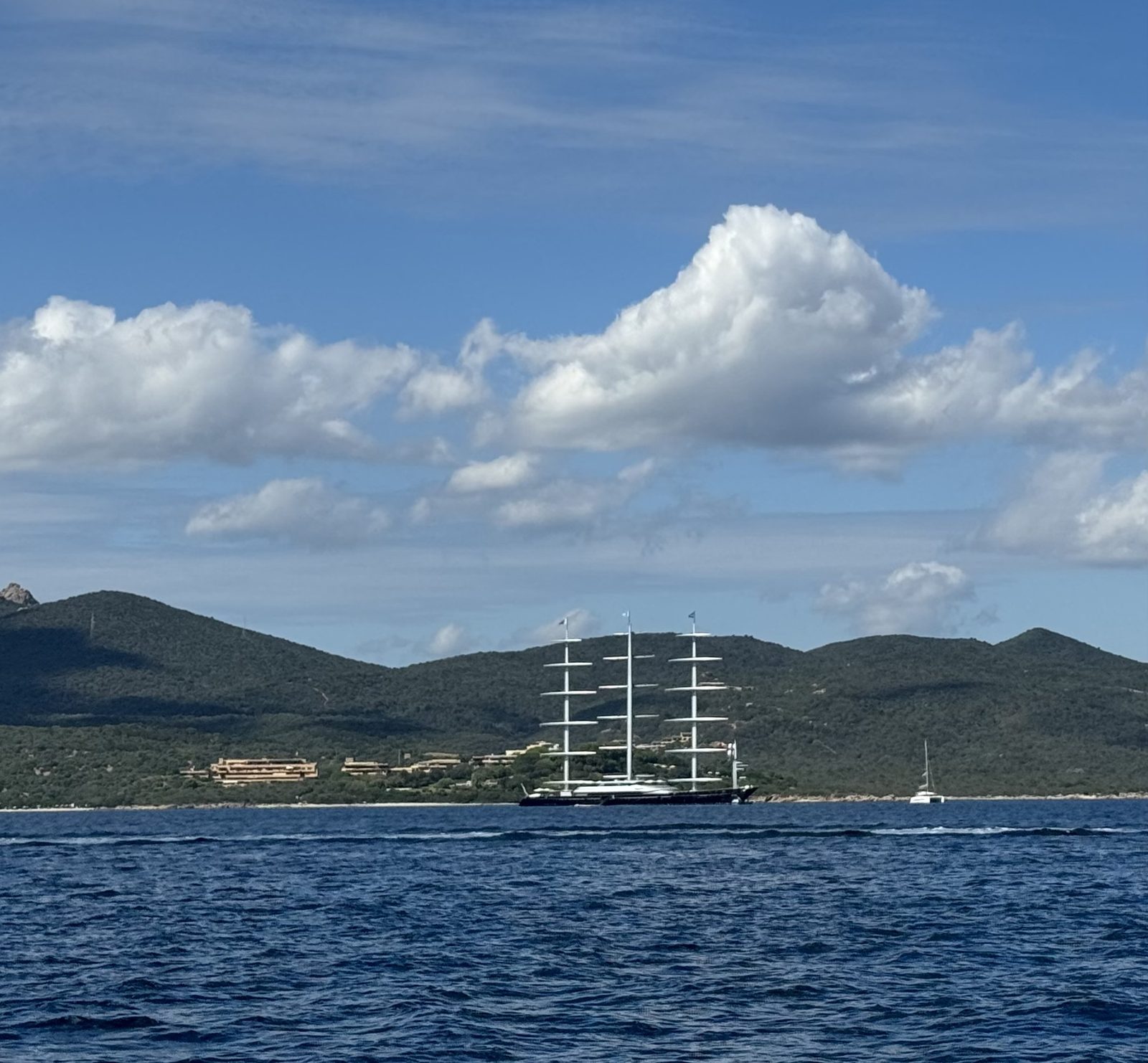
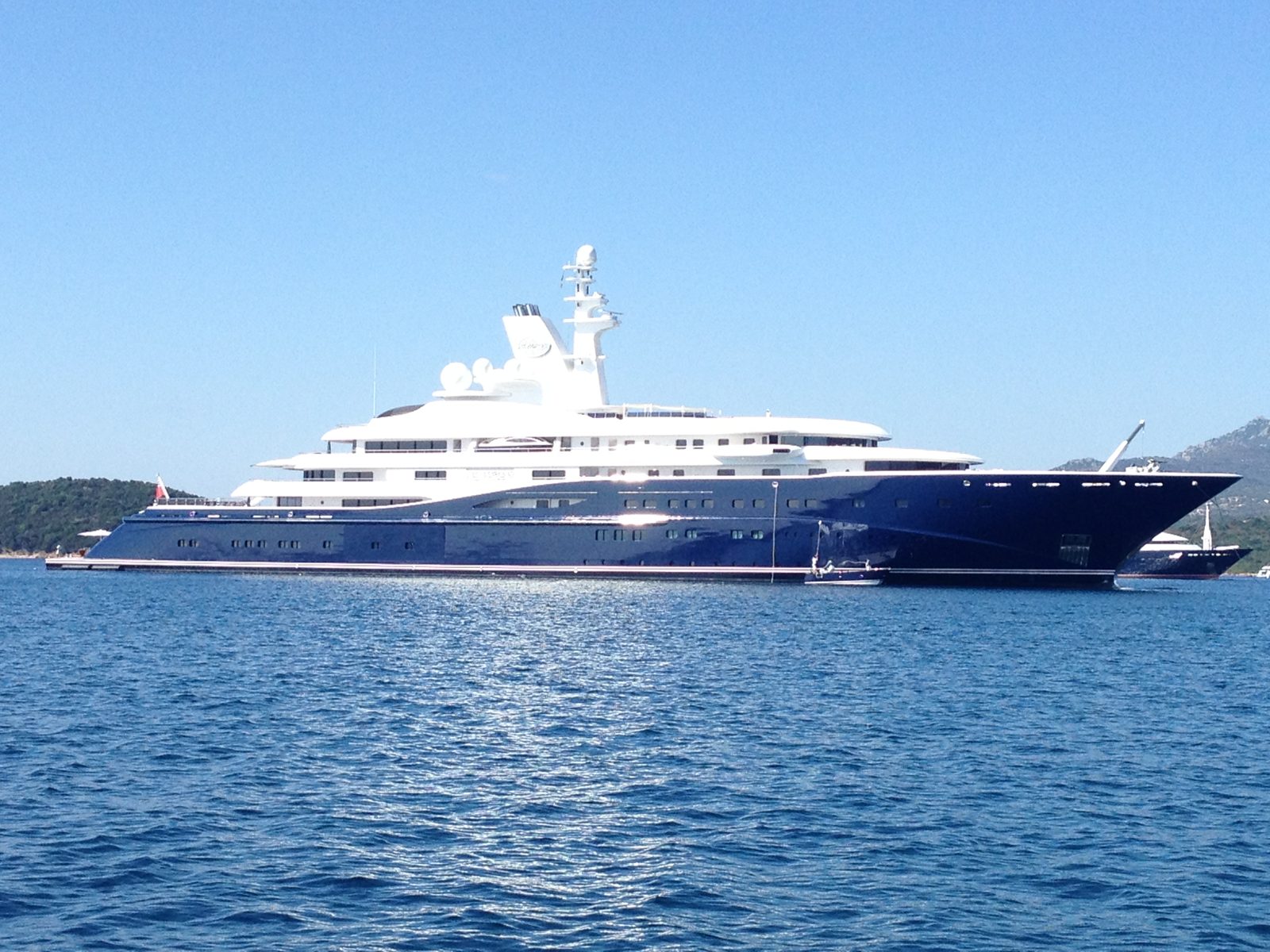
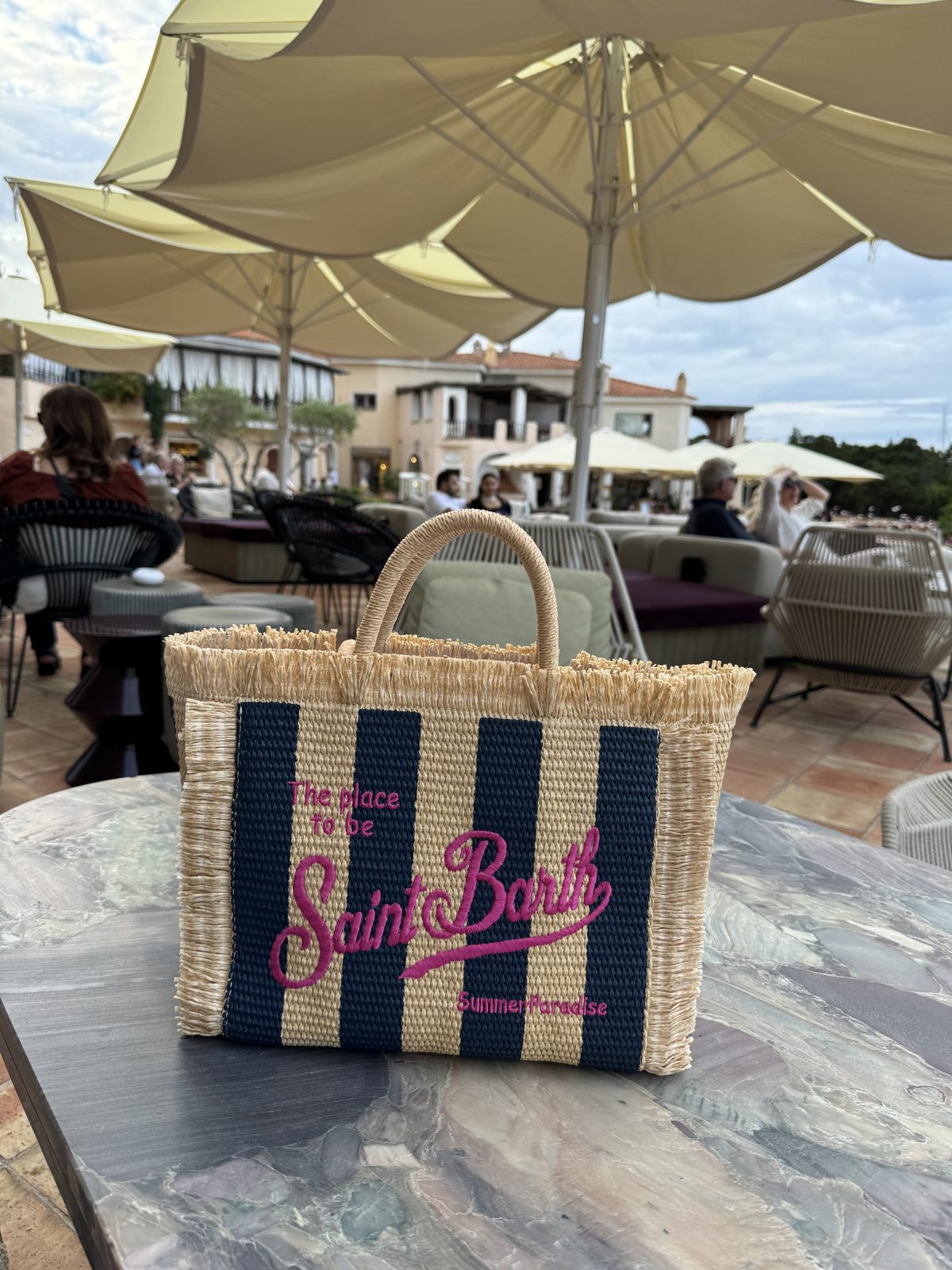
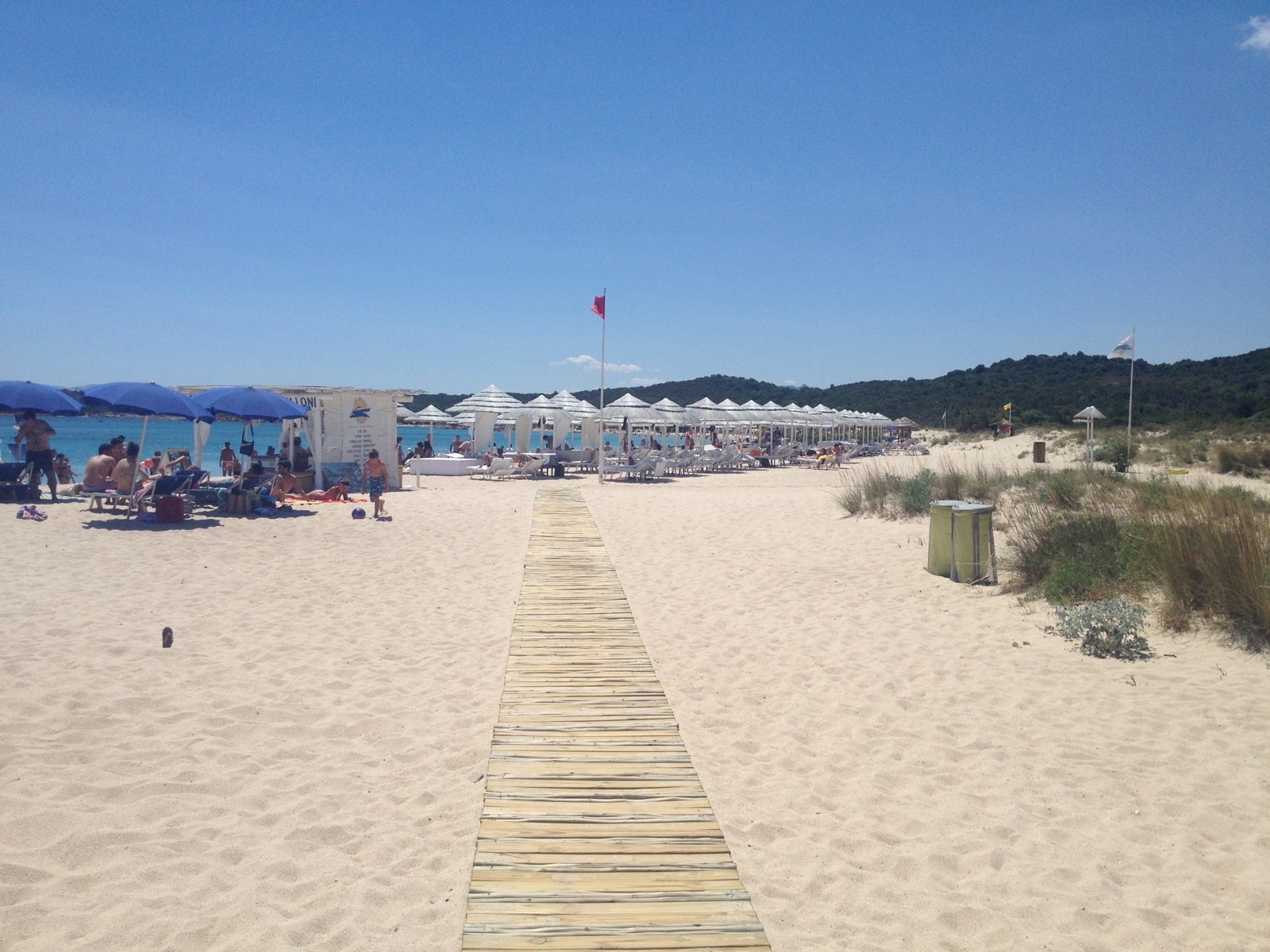
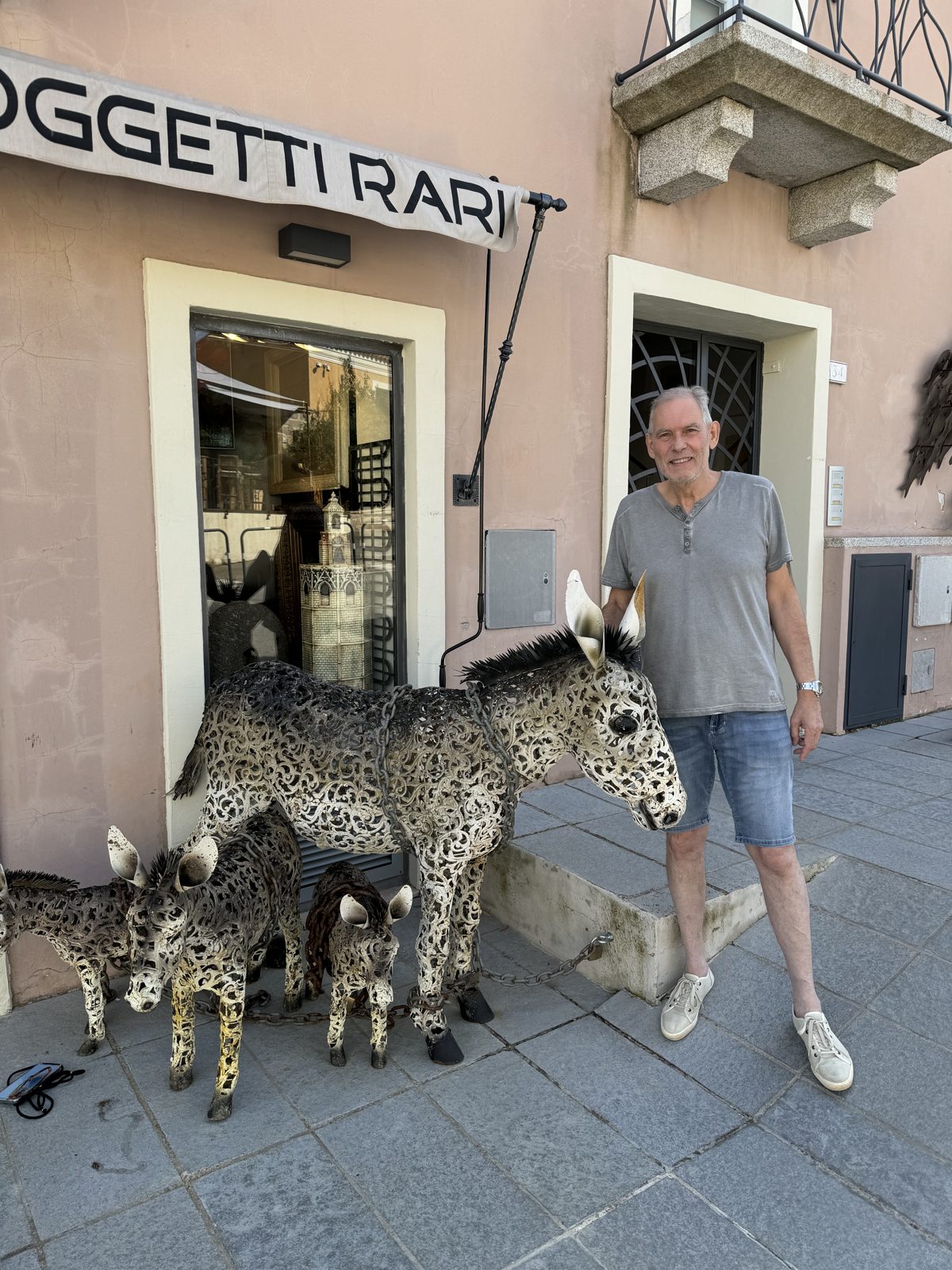
The interior: Barbagia
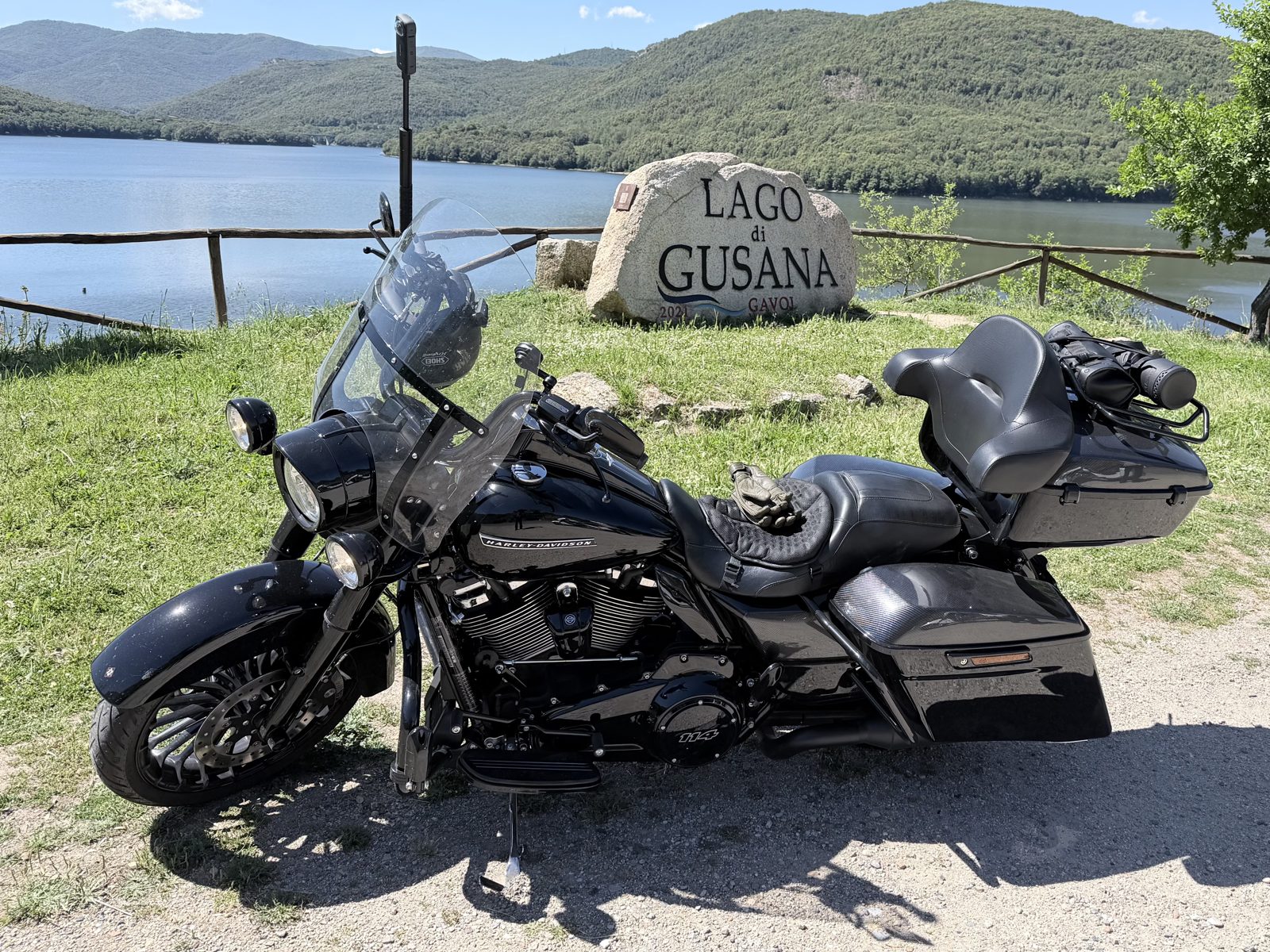
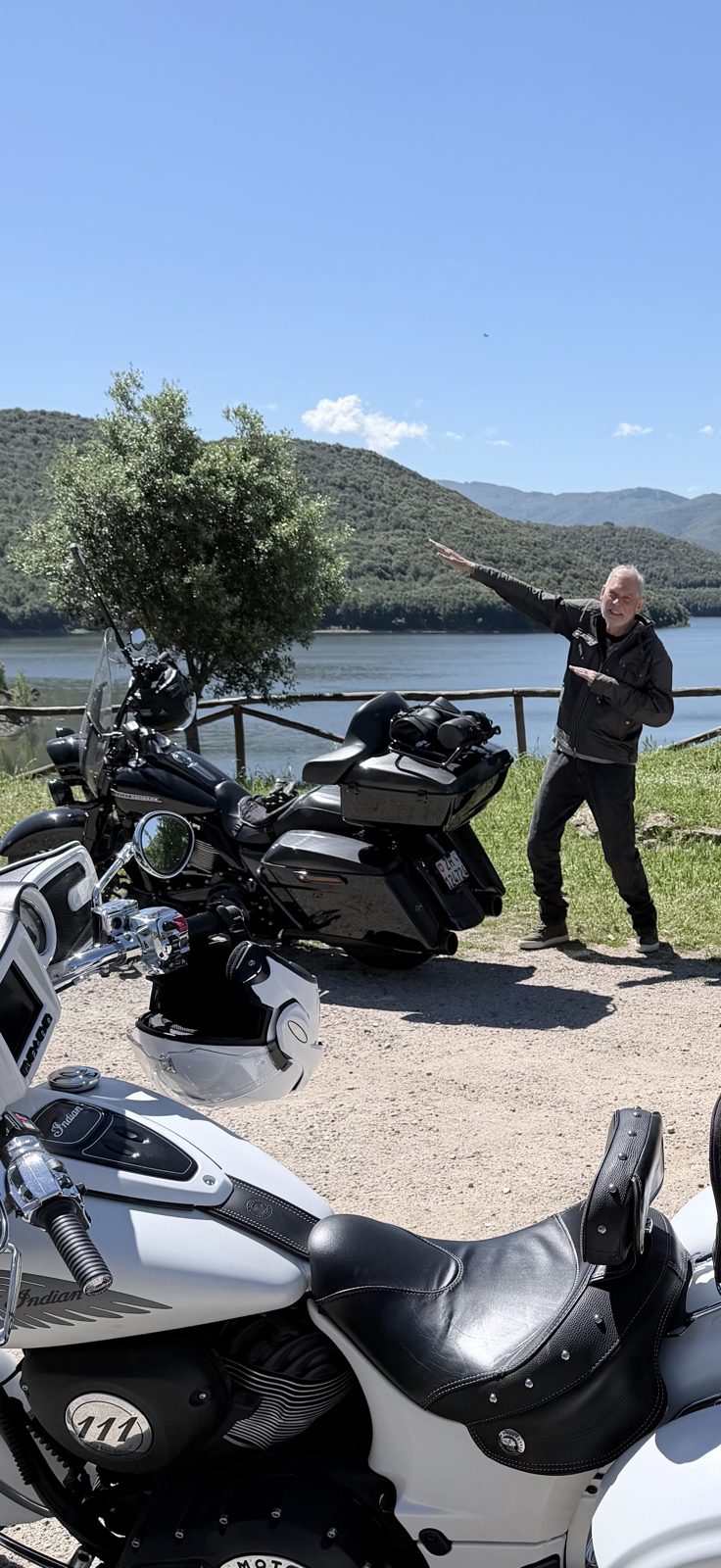
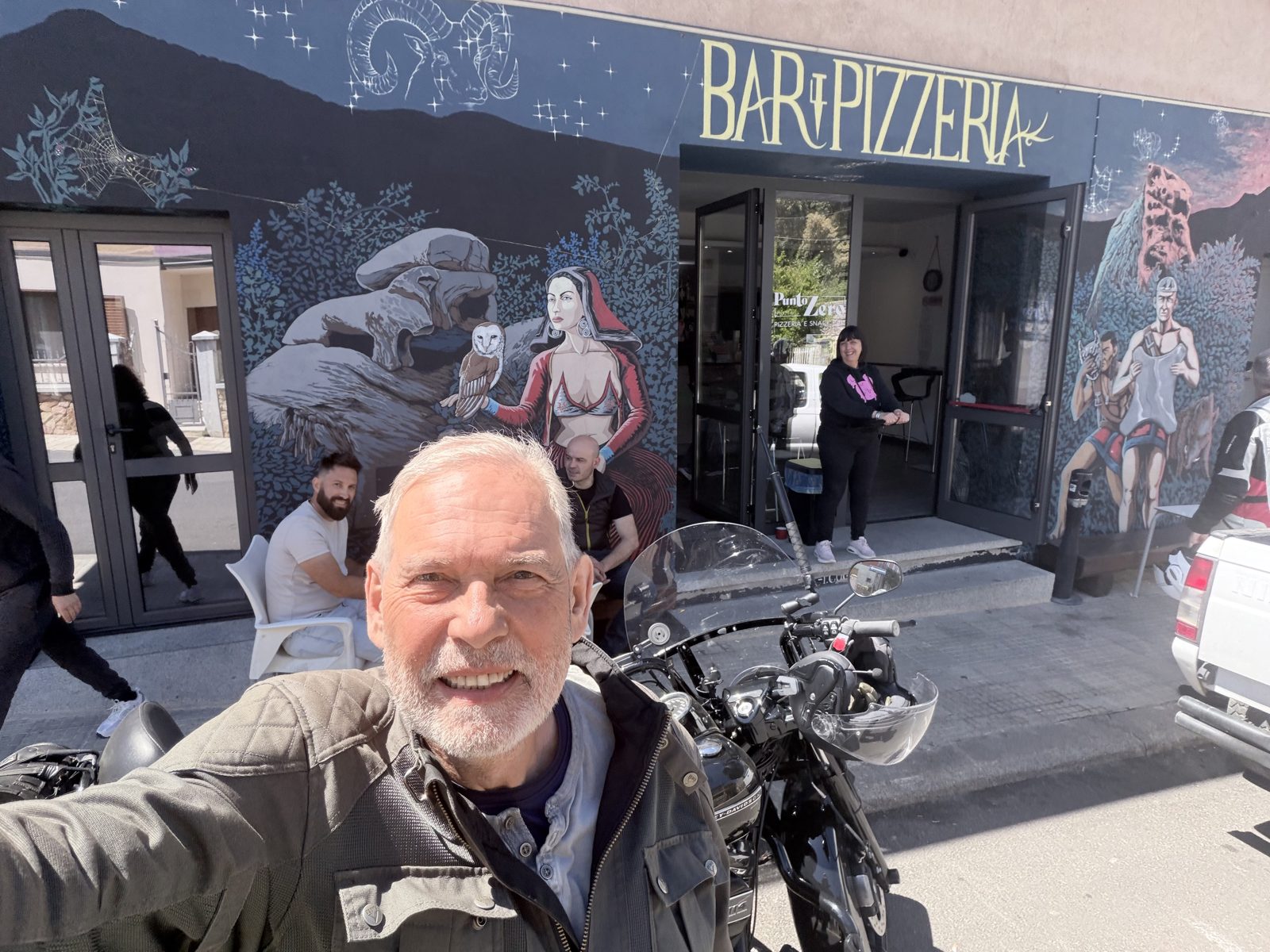
South
Eating in Sardinia
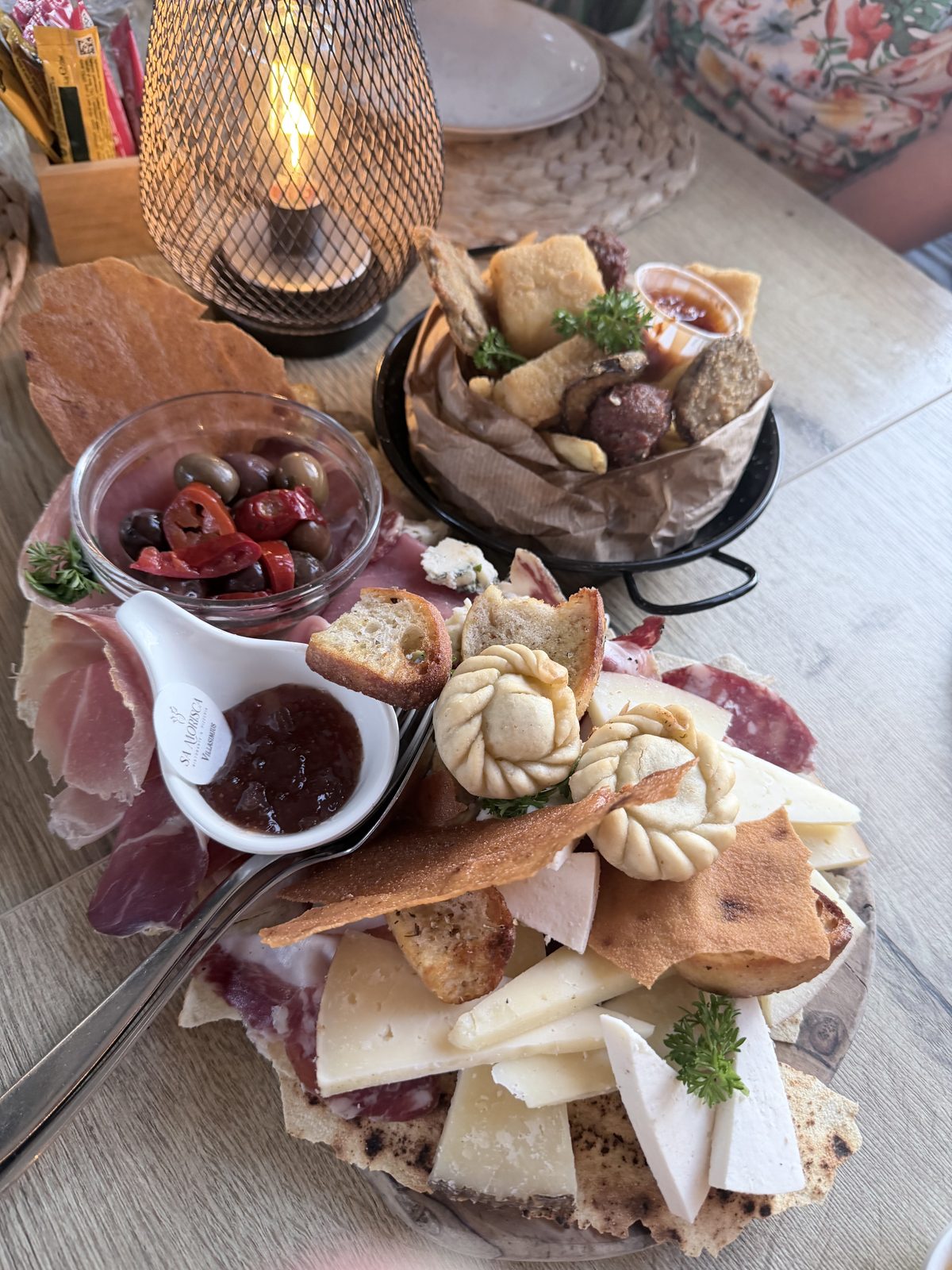
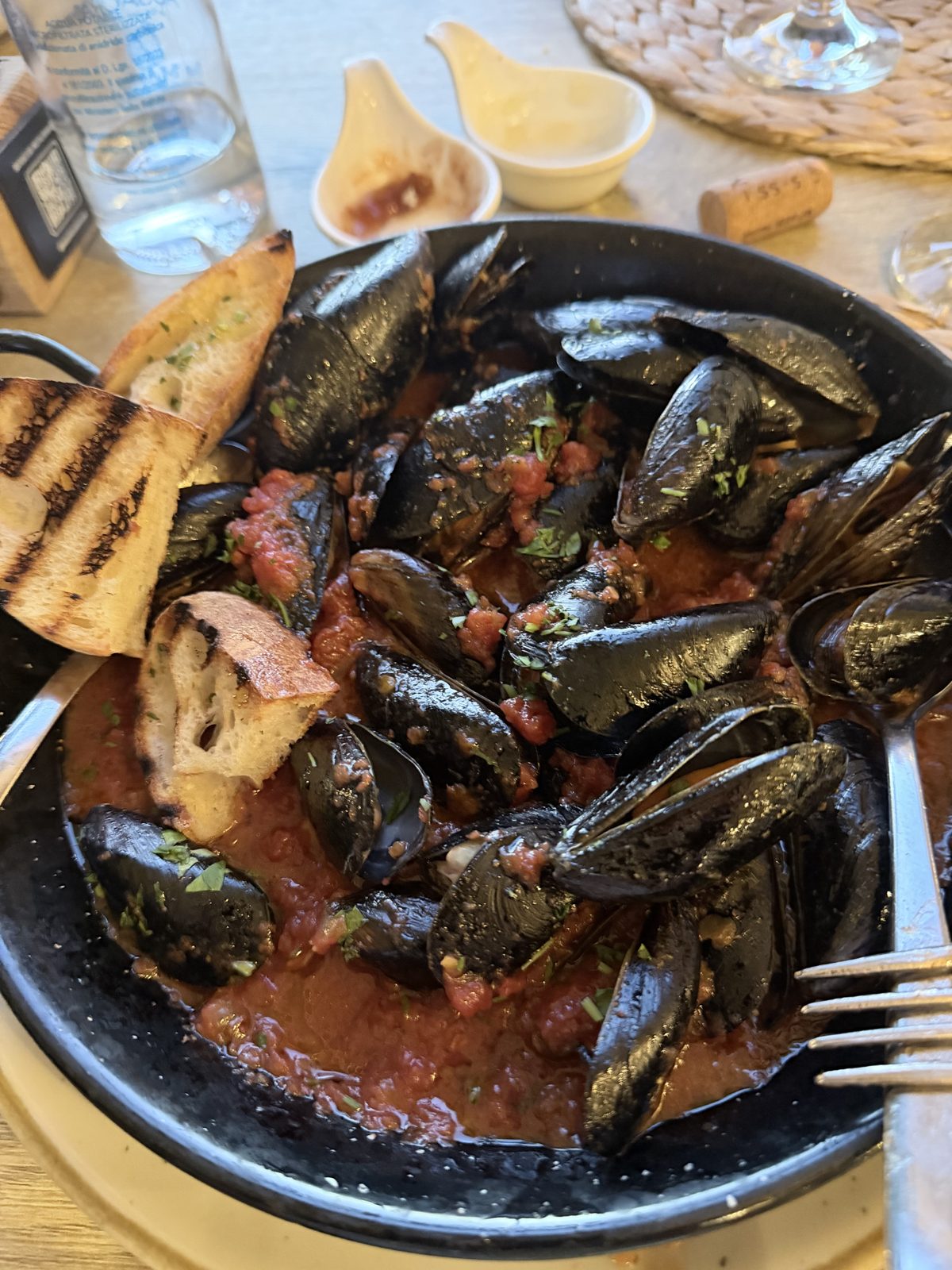
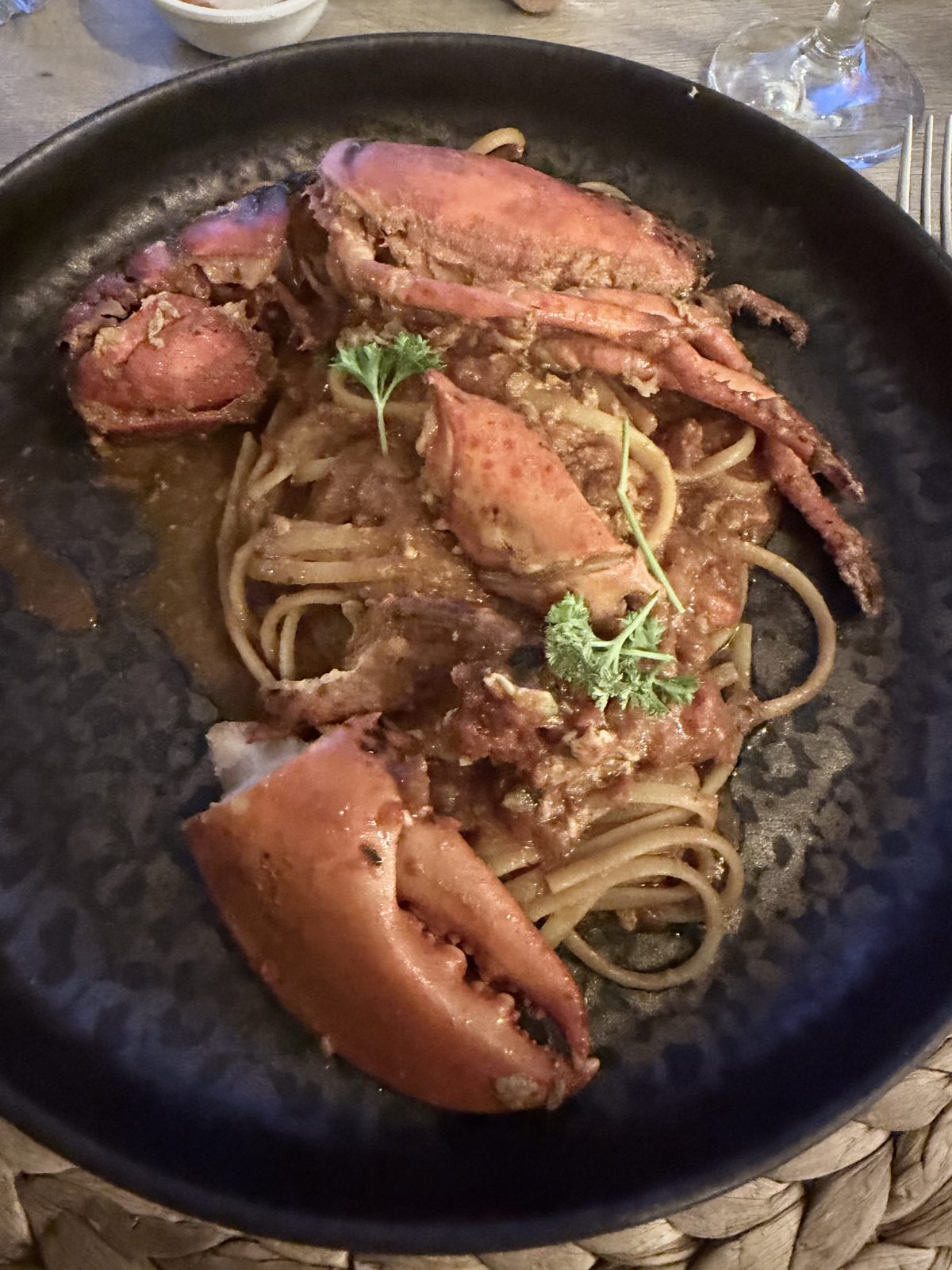
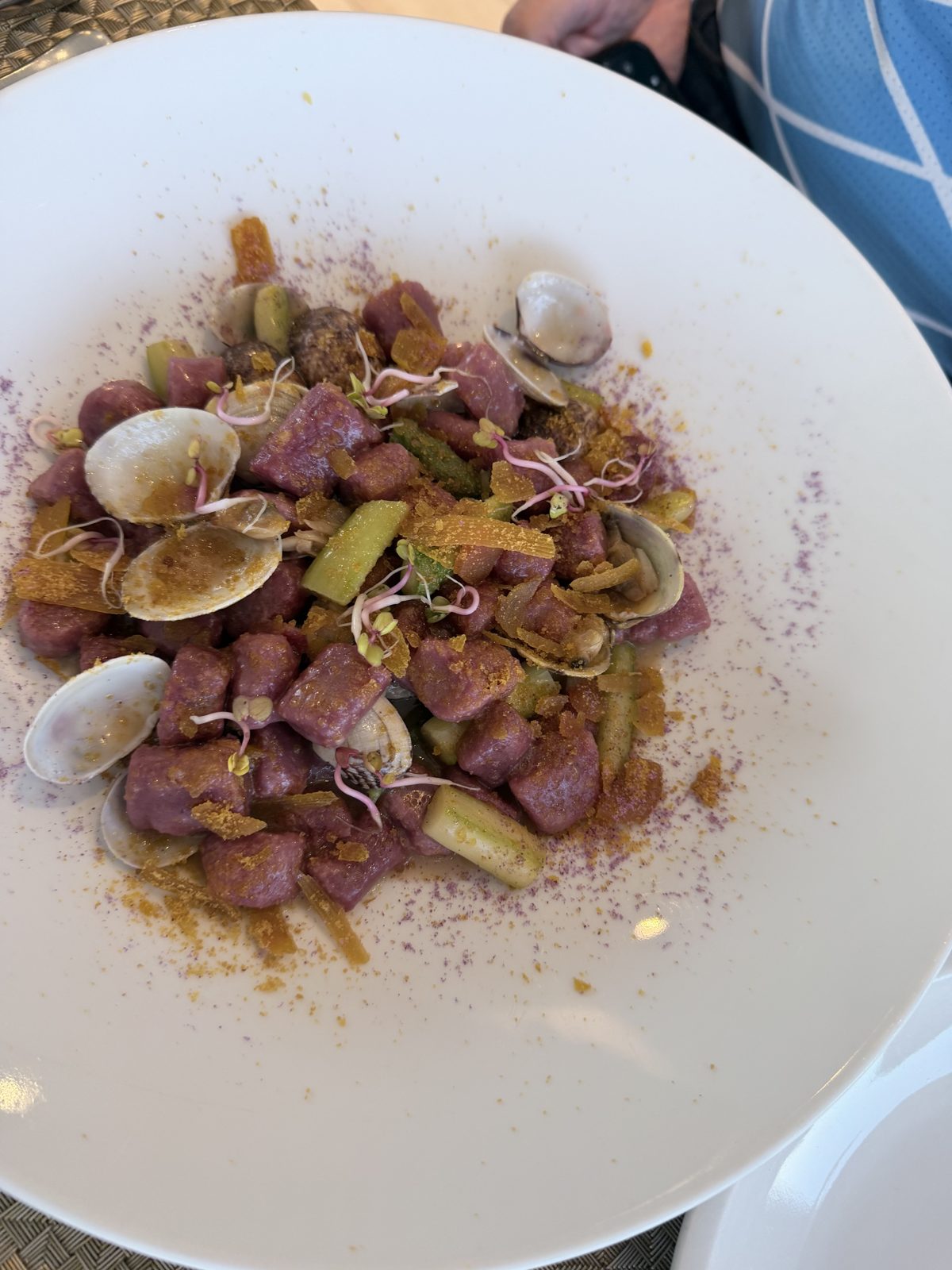
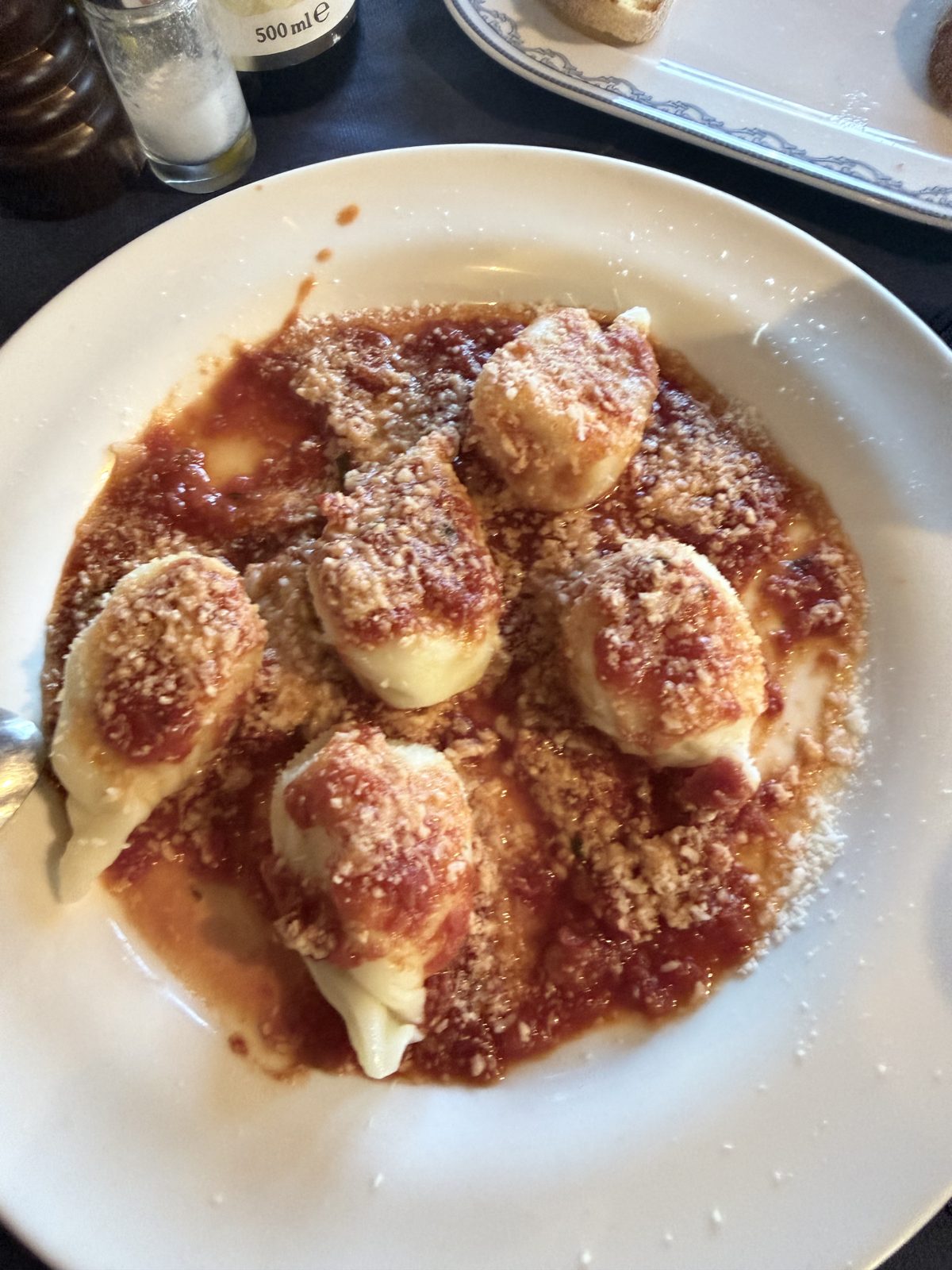
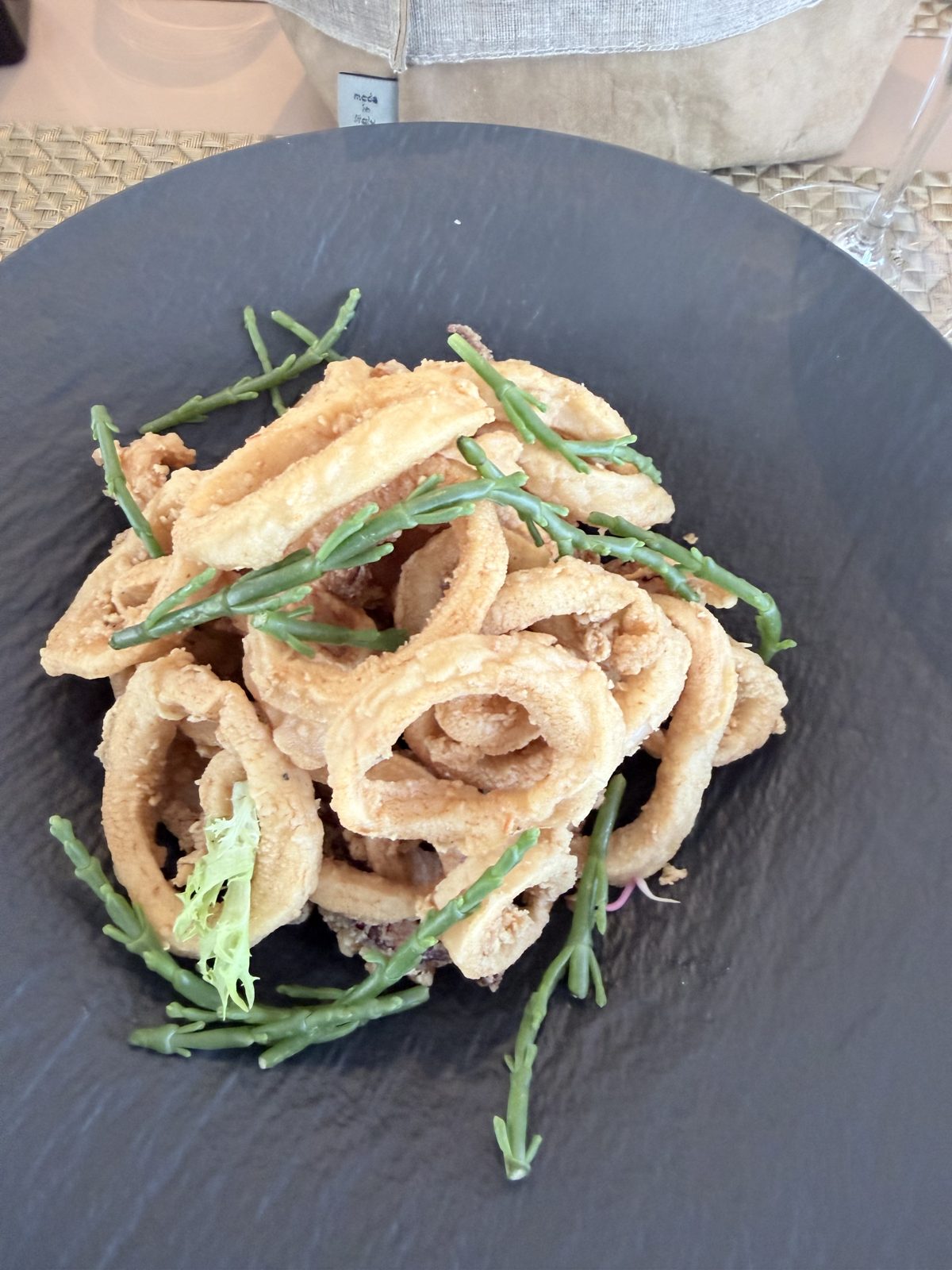
Sardinia is an island of shepherds, not fishermen – you can tell from the food: pecorino, suckling pig (porceddu), culurgiones and pane carasau come from the mountains; on the coast add lobster from Alghero, bottarga from Cabras, mussels and fried calamari. With it a Cannonau, the island’s red wine, and a mirto to finish.
My tips for Sardinia
- Ferry instead of flying if you come with your own car or motorcycle: overnight from Genoa or Livorno to Olbia or Porto Torres – I book via faehreonline.com, where all the ferry companies are compared.
- If you fly, you need a car: I compare rental cars from Olbia, Cagliari or Alghero on Discover Cars.
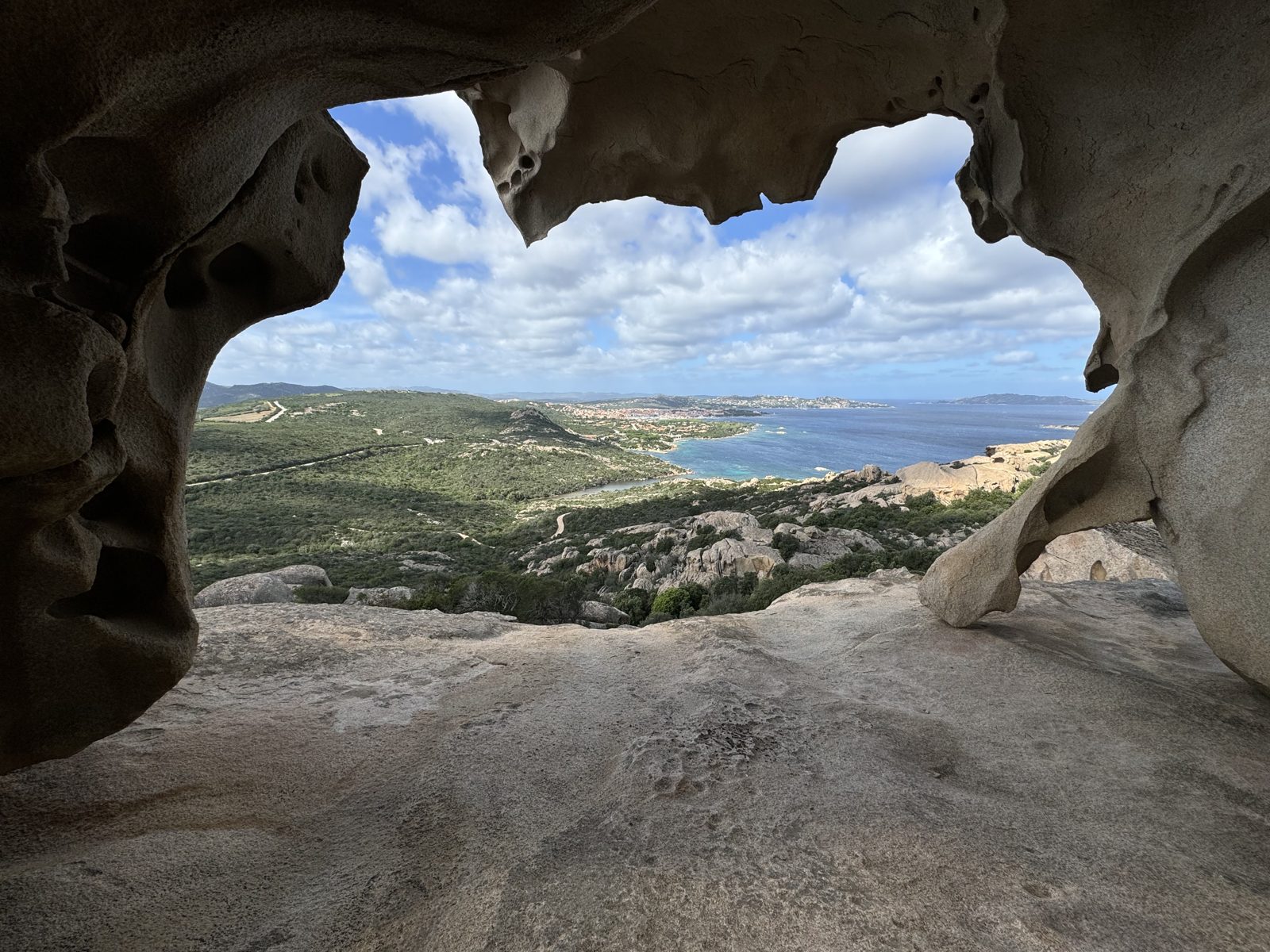
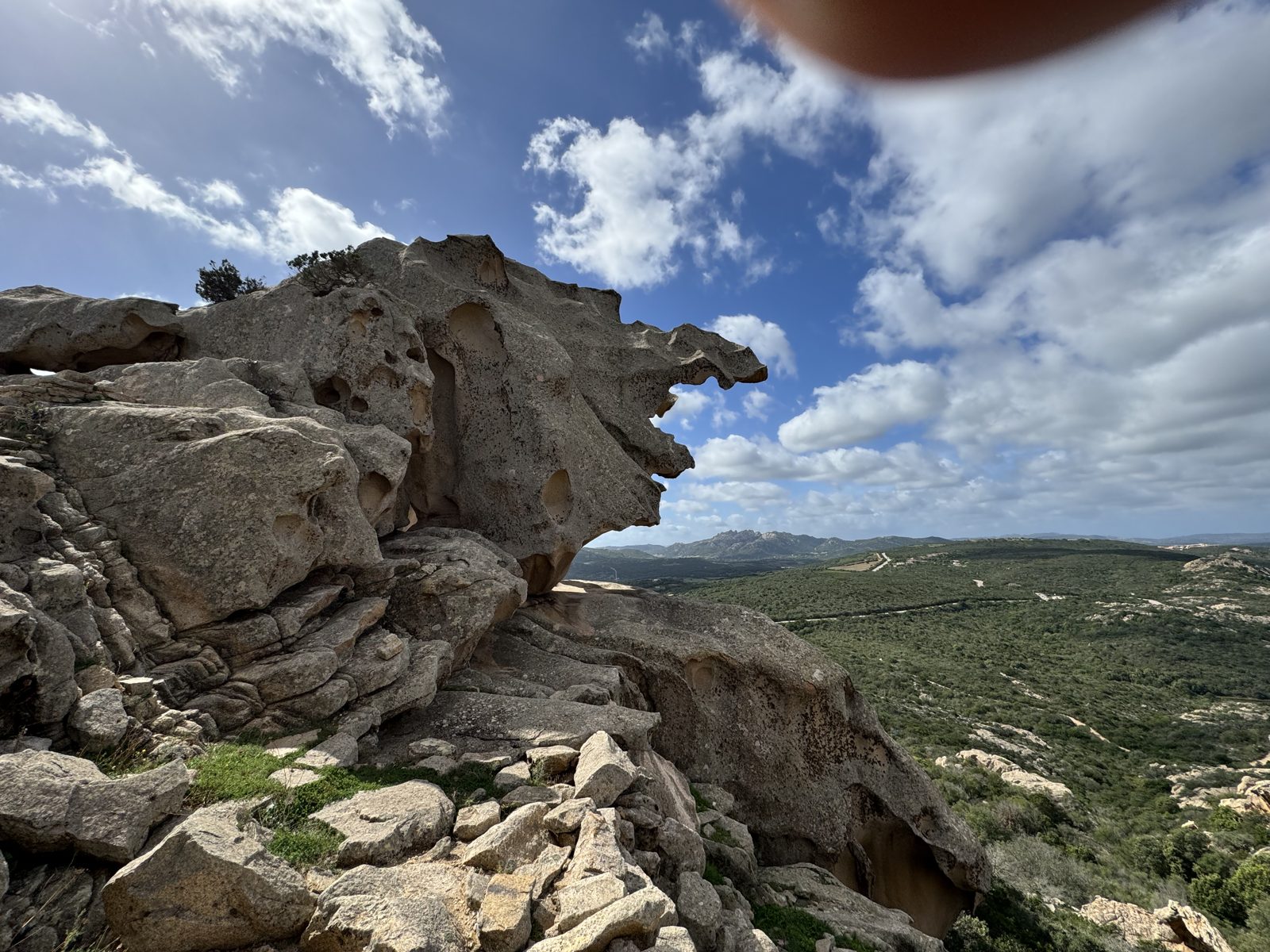
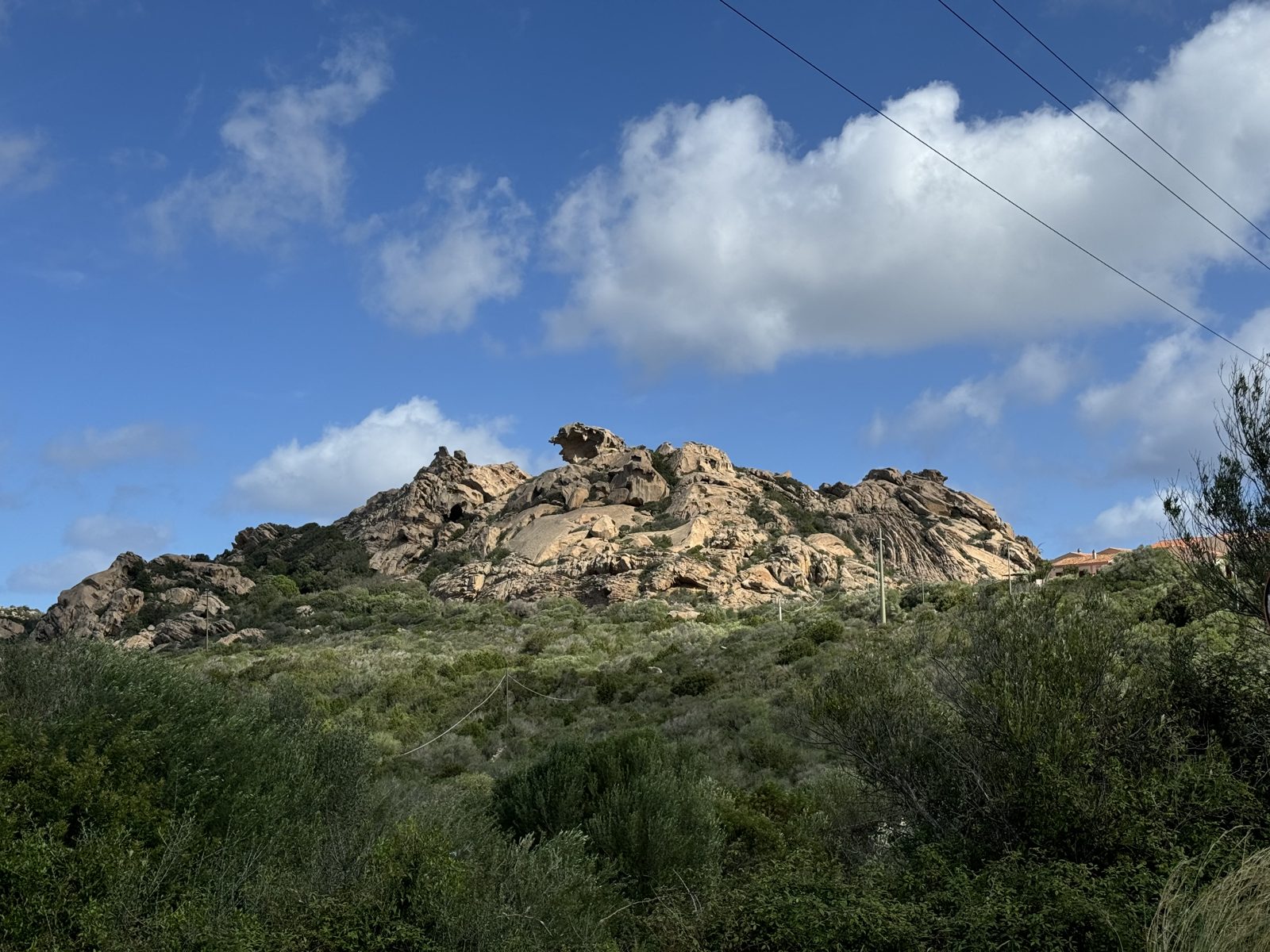
- The Roccia dell’Elefante near Castelsardo, the Grotta di Ispinigoli near Dorgali and the Galleria Henry in Buggerru are three stops no guidebook should leave out – rightly so.
- In the interior (Orgosolo, Supramonte) you eat the best suckling pig (porceddu) on the island – book the agriturismi ahead.
Where to stay?
Six hotels in five regions – from north to south. Each can be booked on Booking.com; where the hotel has its own website, it is linked too.
Costa Smeralda without Porto Cervo prices: several buildings in the typical style between granite and maquis, 600 metres to the beach.
Family resort on three hectares of maquis, 400 metres from its own beach and 15 kilometres from Olbia airport.
One kilometre from the Catalan old town of Alghero – with 25-metre pool, gym and restaurant.
Family hotel behind the mountains of Cala Gonone, two steps from the Grotta di Ispinigoli and ten minutes from the beach.
The emptiest coast of the island: five minutes’ walk to the beach, view of the little harbour – and dogs are welcome.
Colonial style in the heart of Villasimius – terrace with pool, breakfast from the family farm, two kilometres to the beaches.
Find accommodation in Sardinia
I almost always compare hotels, apartments and guesthouses on Booking.com – with genuine reviews and usually free cancellation.
See accommodation in Sardinia Compare on Hotels.com Holiday rental on Vrbo